
The JUST STREETS Pilot Cities Catalogue
Discover how cities across Europe are rethinking their streets — from co-creation initiatives to active mobility interventions. The JUST STREETS Catalogue (V1.0) presents initial insights from our Pilot Cities, bringing together concrete actions, ideas, and early lessons shaping more inclusive, people-centred urban spaces.
This is a living document that will continue to evolve as the project progresses. Download the full catalogue below or explore the interventions from each city.
Amsterdam
-
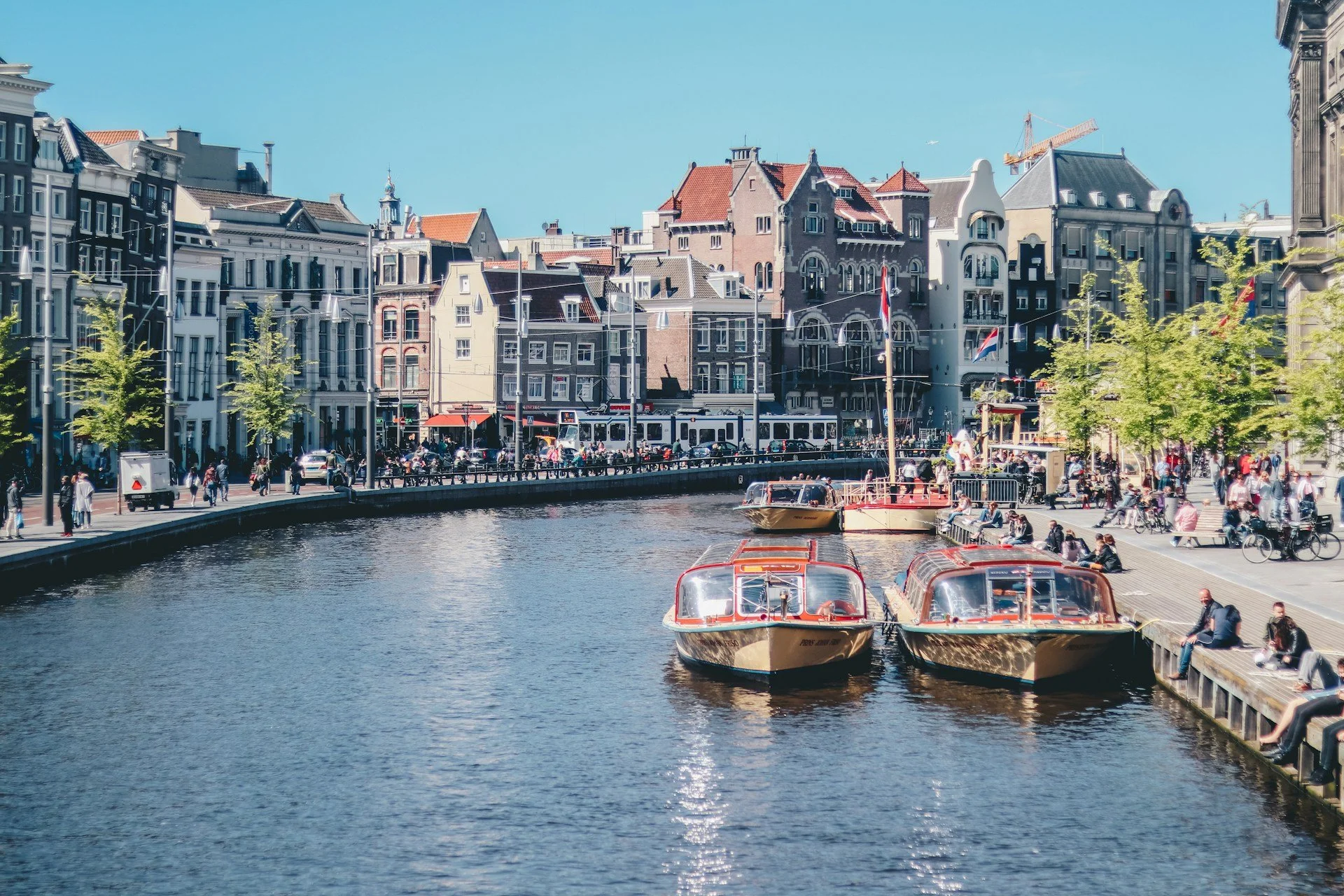
To bridge the gap between the municipality and residents in the Vogelbuurt De Punt neighborhood, Amsterdam experimented with two creative engagement methods designed to overcome institutional distrust.
Instead of hosting meetings at City Hall or other venues in the neighbourhood, the city hosted informal "Living room meetings" in the living room of an apartment at the ground floor in the neighbourhood, inviting people inside for coffee while talking regarding street and garden redesigns right outside the houses in the area. Once inside they had one-on-one conversations with residents, showing designs and photos of the areas to help people express their wishes.
Second, the team commissioned a "Soft Map" by artist Jan Rothuizen, who spent weeks walking the streets and visiting homes, creating a "subjective map" that captured personal stories and emotions rather than just technical data. This artistic tool helped professionals gain deeper insights into the area, break out of "system thinking" and design with a deeper human perspective.
-
De-Institutionalizing Engagement: Informal "Living Room" meetings removed physical and psychological barriers, successfully engaging residents who distrust the government and would never enter a municipal building. The proximity allowed residents to "walk out the door" and point at specific issues immediately, grounding the discussion in physical reality rather than abstract maps.
Humanizing Data: The "Soft Mapping" method challenged professionals to abandon siloed thinking. By forcing experts to step into residents' lives through art, it revealed emotional connections that technical analyses miss.
-
Go to Them: Don't expect disengaged citizens to come to City Hall. Meeting in a home or on the street removes the mental obstacle of dealing with an institution, making participation feel safe.
Start Art Early: Art-based research takes time to digest. Start "Soft Mapping" early so human insights can shape the technical design before engineering plans are finalized. Use it as a functional tool to force technical experts out of their "systems perspective" and into a creative, empathetic mindset.
Braga
-
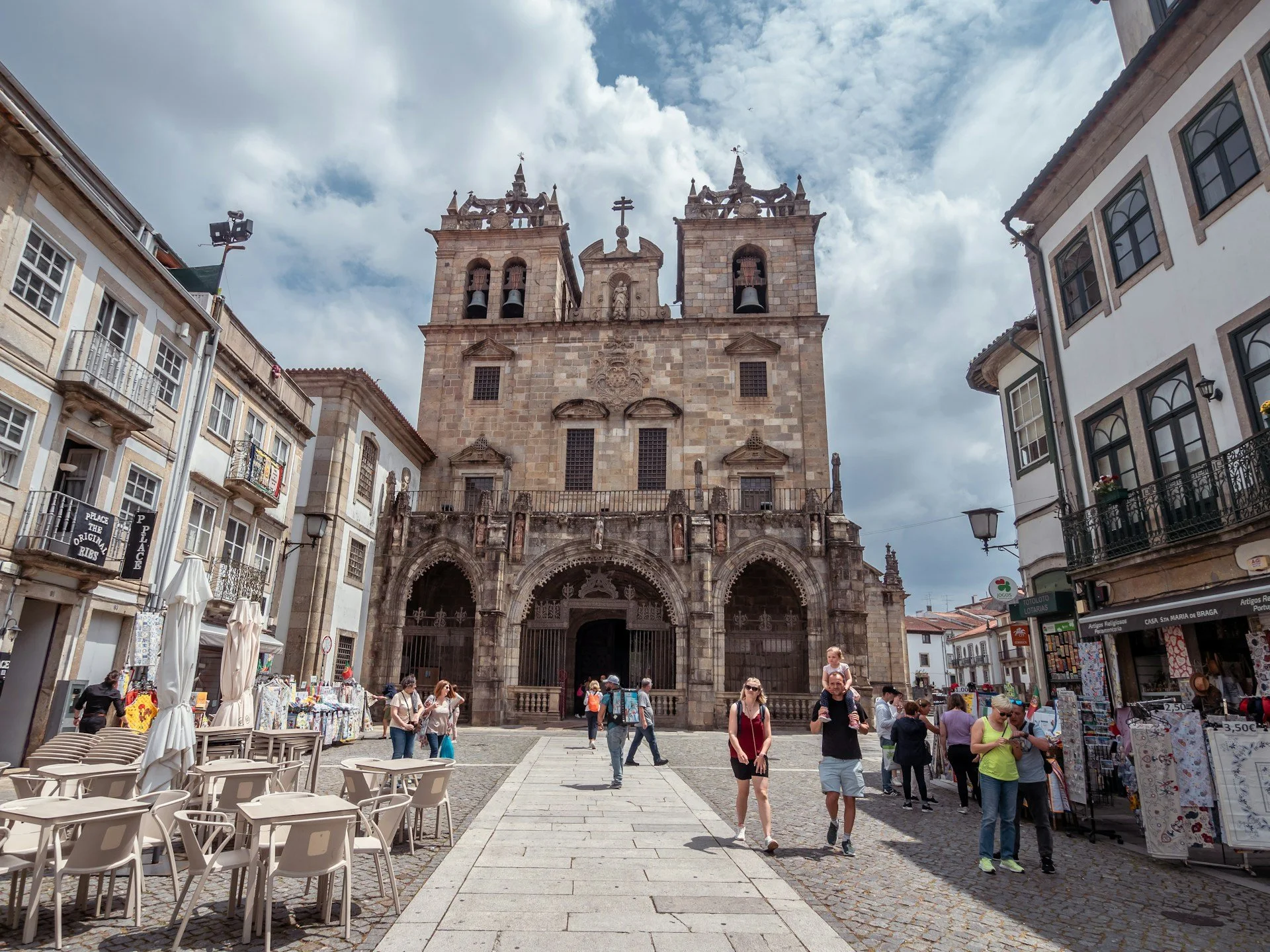
Braga used transition experiment to let the community experience a future school street in real life. In the surroundings of André Soares School, a strategic pilot area close to the city centre and connected to major streets, was transformed it into a full-day “living square. ”
During this public event, the team temporarily closed the street section in front of the school to cars and activated with an open-air exhibitions on the Just Streets process, interactive idea collection (maps, stickers, post-its), creative workshops, games, artistic performances, a public debate on mobility and spatial justice, and hands-on cocreation tools. The goal was to share results, engage a wider public, test ideas for a safer/greener “Rua da Escola, ” and collect feedback for next implementation steps.
-
Braga’s experiment turned an abstract vision into a lived experience and let citizens to feel what a future school street could be. This made the possible futures tangible. On the other hand, identifying and training the pioneers from the local actors in the neighbourhood build trust beforehand and facilitated the process during public event.
This temporary experimental practice in Braga was both communication and engagement tool which combined culture, play, debate and co-creation in one visible and accessible public moment. Additionally, through this approach, the school became a catalyst for wider urban change for active mobility.
-
Braga’s experience shows that transition experiments are most effective when they are well prepared. Early context analysis and strong connections with local actors helped create the right conditions for the experiment to succeed. Constant engagement throughout the process also is a key.
At the same time, the experience highlighted that a one-day public event is only a starting point. While the living square successfully made the future vision visible and engaging, its real value depends on what happens next. Follow-up actions and continued communication with participants are necessary to translate ideas and feedback into concrete steps and to keep momentum and expectations aligned over time.
Cugir
-
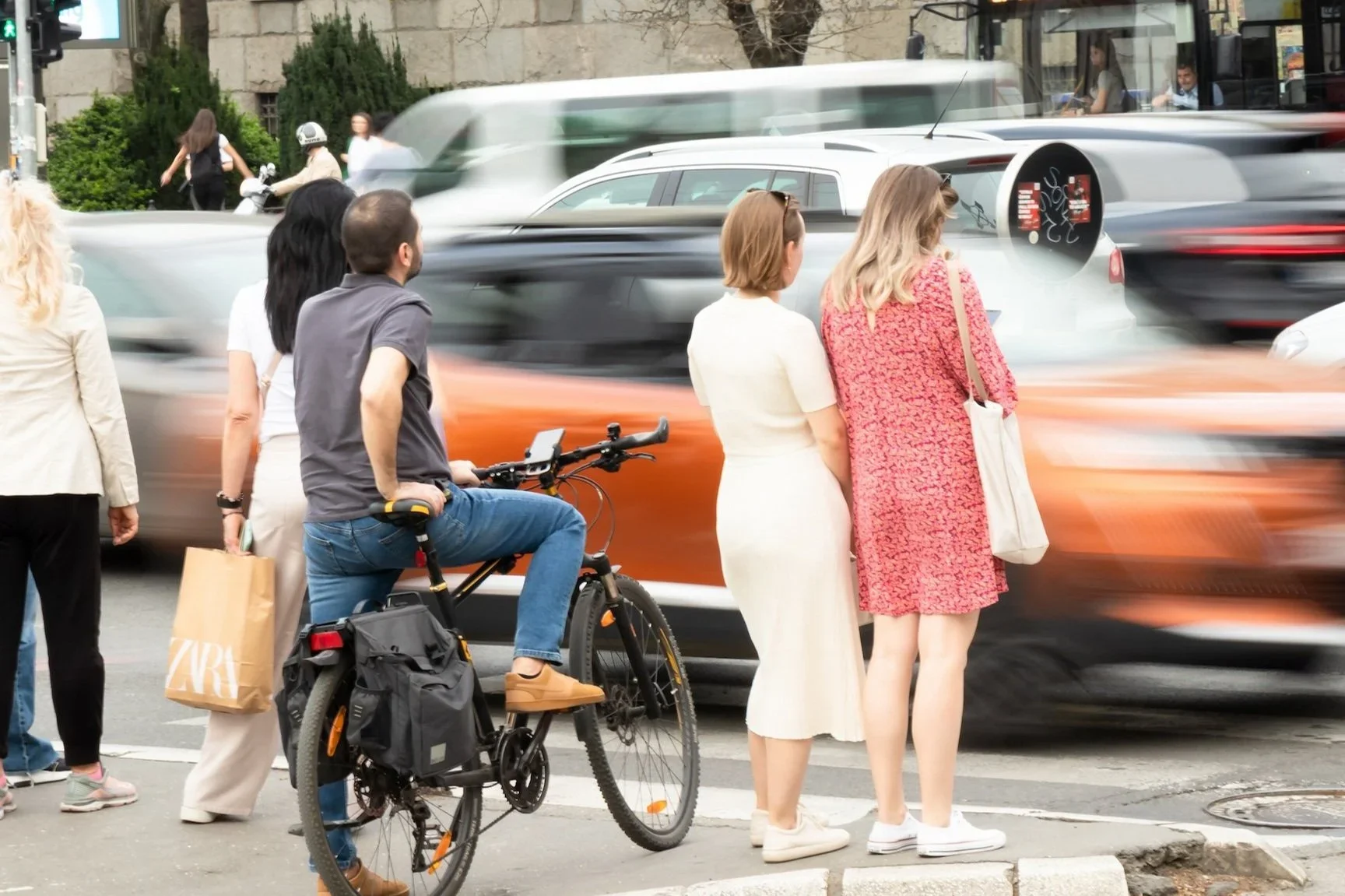
Cugir turns part of its main boulevard into a car-free space: every last Friday of the month a central segment (Al. Sahia Street) is closed to traffic and opened to people and they call it: “Green Friday.”
The event is designed as a community platform: schools and high schools, elderly groups, local associations, cultural and sports actors, and businesses come together for activities such as children’s games, guided walks, charity events, sports, concerts and even “singing in the bus” . On Green Fridays, in Cugir the public transport and the e-bike sharing system are free and the city experiment a light programme around active mobility and public life.
The boulevard becomes a living lab for a different way of moving and socialising in the town. Feedback and ideas gathered there are feeding into plans for the JustStreets solutions.
-
Cugir is a small industrial town where streets were designed to move cars and goods, not people. Even after investing in e-buses and bike paths, the reality stayed the same: the boulevard was still car-dominated, and people weren’t using the new active-mobility infrastructure. So the city tried a different approach: instead of “building more roads” , they focused on building a movement.
That’s how Green Friday grew into a regular public event: a visible, low-barrier way to invite citizen to try a different street culture and showcasing them various possibility of urban life.
-
Cugir’s experience shows that it’s not enough to build infrastructure, you also have to build active mobility culture. What helped here was inviting people, encouraging their participation, making it social, and offering small incentives like free public transport and free e-bikes on event days. A monthly openstreet creates a visible rhythm and gives people permission to try something new, in a safe and positive atmosphere.
The city also learned that success depends on who you bring with you. When different local actors take part, the event stops being “a municipal initiative” and becomes a shared moment; and having pioneers (Young and elderly people) shows that a movement grows faster when different generations carry it together.
Overall, one simple change can spark a movement. With Green Fridays focusing on community, Cugir reports real progress: more people engaging, more visibility for active mobility, and more grounded feedback that helps shape the next steps.
Kozani
-
In Kozani, co-design and co-creation were not common practices inside the municipality and governance bodies. With Just Streets, the city started to build a “CO-” culture in the planning of school buffer zones.
They have started building co-culture with various methods:
Early listening: school meetings and a mobility questionnaire
Shared understanding: stakeholder webinar
Hands-on co-creation: visioning and emotional mapping, persona-based root cause mapping, and intervention canvases
Children-led school walks to identify risks and opportunities on real routes
Multi-school roadmap session to translate ideas into time-based actions and responsibilities.
Through this processes, the municipality has been learning and testing how to plan streets with children, not just for them.
-
Kozani ’s approach is interesting because it proves that a “co-” culture can be built inside the municipality, even when it didn’t exist before. Kozani does capacity-building in practice.
As they have reported, there was no established culture of collaborative planning, and the process helped citizens develop the skills and mindset to participate in co-creation and decision-making.
For Kozani school street is a clear “entry point” which makes co-creation concrete, local, and easy for people to care about (parents, schools, municipal police, residents). It’s also a strong example of giving children a legitimate role in shaping street decisions, moving beyond being consulted to being taken seriously as everyday users.
-
The first big lesson from Kozani is simple: Cities can build “co-”culture even if the municipality has never done it before and learn it by doing.
What helped the process was having structure and facilitation, so the process didn’t feel vague or endless.
Visual methods, accessible formats made it easier for non-experts to contribute, and a clear flow helped keep people engaged. At the same time, a few challenges are worth to be mentioned: long sessions challenges are worth noting, and future visioning challenges are worth noting without good prompts and explanation. Also, prioritising could be challenging when problems are interconnected. The overall message: cocreation is powerful, but it works best with good pacing, clear decisions, and real followthrough.
Riga
-
To transform a dangerous, car-dominated Y-junction in the Agenskalns neighbourhood, Riga implemented a multi-layered co-design process that engaged stakeholders through three distinct perspectives:
Children (Creativity): Using a "Pirate" narrative, children were asked to "conquer" the land next to their school. This allowed them to more freely visualize their ideal public space using sketches and collages.
Adults (Feasibility): Residents and shop owners used a "Tactical Urbanism Toolkit"—a deck of physical cards representing street elements—to plan concrete, feasible interventions.
Students (Validation): International students performed unbiased pedestrian audits to validate the perceptions of the locals.
The workshops highlighted critical safety issues (speeding, lack of crossings) and produced concrete traffic scenarios (a "T-type" intersection, "Square" concept proposed by the children.) which prioritized bike lanes, new crossings, and recreational elements like benches and greenery. These insights were directly used by the municipality to prepare the technical documentation for the procurement phase.
-
Children's perspectives informing adults: Children engage without limitations, offering fresh perspectives. Presenting their results to the adults first successfully influenced the adult workshop, encouraging them to think more boldly and see things more widely, and less bureaucratically/technically.
Gamified Planning: The use of a "deck of cards" , collages, etc turned complex urban planning into an accessible game. It allowed participants—regardless of technical skill— to easily suggest designs for the street use and layout.
-
Gamify the narrative: When working with children, drop the "safety" jargon. Use storytelling (e.g., "Pirates conquering land") to unlock emotional ownership of the space as well a sense of agency
Sequence the influence: Use the children's creative output as the "insightful baseline" for the adult sessions. This frames the technical discussion around the needs of the most vulnerable/less heard, preventing a retreat into status-quo thinking.
Make it tangible: Avoid blank paper. Provide creative tools with icons (planters, bollards), etc. Physical tools allow stakeholders to "play" with the space, making the design process concrete and less intimidating.
Milan
-
The Città Metropolitana di Milano (a secondlevel entity) coordinated a qualitative investigation to reimagine Local Urban Mobility (LUM) in Corsico, with the intention of drawing strategic guidelines for the development of human-centered mobility hubs in all the metropolintan area.
They did this by integrating focus groups, questionnaires, and interviews with key social stakeholders (associations representing vulnerable groups or street users, citizens, students) moving beyond standard technical data to capture the human experience of the commute and desired use of the area. These insights are being synthesized into "future scenarios" that will be validated with stakeholders and will help develop a Strategic Guideline Document, that will serve as a normative framework for developing peoplecentred hubs in the whole Metropolitan City in the next years.
-
This pilot highlights a model of governance innovation: shows how a second-level body can support smaller municipalities that may lack the resources for deep social research, in bringing more human-centered methodologies to enhance sustainable and strategic developments in their contexts.
Also, moving beyond "fixing one street" shows one way to second-level entities can contribute to a more scalable "standard of quality" potentially applicable to the entire metropolitan hinterland, showcasing the use of one mobility hub as a prototype to replicate in other multimodal hubs.
-
Milan’s experience shows that human-centred research is most effective when it is built as a chain of engagement, not a single activity. The initial interviews helped establish trust and open dialogue with key associations, and the focus group then created a shared space to compare perspectives and collectively interpret issues related to everyday mobility and use of the area.
The process also highlighted the importance of active and timely outreach. Participation increased when invitations are extended through multiple channels (not only email, but also phone calls and personal networks). Also, when communication started early enough to allow people to plan their involvement.
Finally, institutional cooperation is a key. Città Metropolitana di Milano as a second-level entity has limited authorities and direct powers in the pilot area (Corsico neighbourhood). Therefore, close collaboration with local municipality is essential to to access the site and data, engage local actors and ensure the feasibility of the process.
London
-
To design a new green parklet on Marylebone Road, the Harley Street BID formed a strategic alliance with the University of Westminster, turning the process into a "live project" for urban design students while supporting the administrative partner and the district managers in managing engagement activities that were new to them.
The approach integrated a field-analysis with interviews to residents and local businesses that was valuable for obtaining an initial sense of local needs and perspectives. After this the team facilitated the "Design of Many Voices" workshop which involved some people previously interviewed, as well as other community members, where hands-on creative methods were central to the approach.
The session began with a mapping exercise where participants placed post-its on large maps to capture personal stories, "memorable places," and lived experiences of the neighborhood.
Afterwards residents were facilitated to prioritise functions across four specific themes: Kids & Play, Active Travel, Slowing Down, and Culture & Civicness. Finally, participants utilized an accessible collage method, selecting from pre-cut images of potential features—such as bug hotels, planters, and benches—to visually construct the parklet without needing technical drawing skills.
-
Strategic collaboration with the University of Westminster: Partnering with a university and its students provided a costeffective, energetic, and more "neutral" interface to the public. Students can in fact be viewed as less "threatening" or bureaucratic than developers/municipality, which helps bridge the trust gap.
Creative hands-on methods: Also, as in the case of other cities, the use of creative methods (eg. collage) enabled non-experts to communicate insightful and valuable spatial ideas that later were taken up for developing the technical proposal of the parklet to be submitted for approval.
-
Boost outreach and leverage local trust: While the workshop generated rich ideas very few residents living directly next to the proposed site attended. Allow significantly more lead time for invitations and include multiple rounds of reminders to ensure higher turnout. In addition, involve local partners (like libraries or community centers) to take the lead on outreach, leveraging their existing trust with residents, rather than relying only on a top-down invitation
Test Waters First: Identify specific windows overlooking the site and make sure to engage those residents before the creative workshops to prevent later objections. A possibility could be to host a smaller "pilot workshop" (e.g., at a library with children) to build interest and familiarity before launching the main codesign event.
Vilnius
-
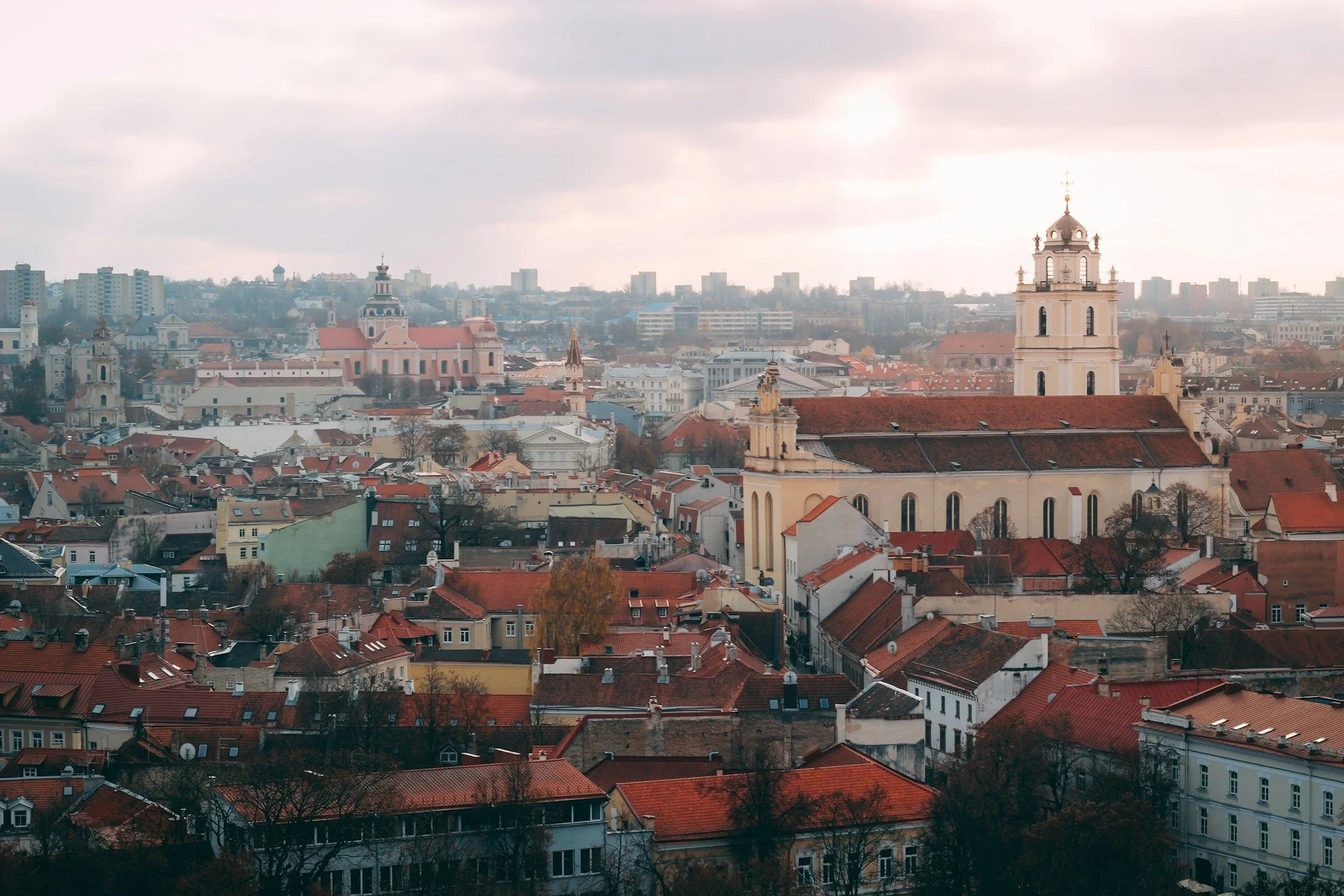
To transform the Medeinos School area from a car-dominated transit corridor into a community asset, Vilnius implemented a fullcycle engagement process. The core of this was a "Creative Co-Research" activity where 25 primary school children acted as researchers, conducting exploration tours to analyze the safety and "feel" of their own street. This qualitative insight was paired with other data gathered by interactions and meetings with residents.
Such inputs informed the design and implementation of new outdoor classrooms and tactical urbanism measures around the school, as part of a broader intervention to increase safety of Medeinos Street in front of the school. Takeaways and lessons learned Bringing the school outside Leveraging the European Mobility Week the team hosted a series of activation events— including movement classes, toy restoration, and mindfulness workshops – which allowed children to physically test the new arrangements and suggest improvements.
To introduce these spaces to the community and stimulate a sense of stewardship towards this new public space, the city held a dedicated event that began with a presentation by Medeinos students, sharing how they currently use the spaces and their future aspirations. A co-creation workshop followed with all community members, who developed a shared "Manifesto" outlining rules and guidelines for proper use to ensure the classrooms' longevity. Finally, a planting workshop invited everyone to add greenery, further fostering community ownership and responsibility.
-
Flipping the script: The "Co-Research" activity flipped the script. Instead of adults guessing what children need, the students identified specific barriers to safety and comfort that professional planners had missed.
Social stewardship: Involving the community of stakeholders in the research, in the physical installation, and even in the drafting of a "Manifesto, " the ownership moved much more from the city to the community stewardship of the new area.
-
Community-led narratives proved more effective than top-down communication: eg. children and students as presenters made project outcomes more relatable and built trust among residents significantly better than municipal officials could.
Talking & making: Combining discussionbased activities (like the Manifesto) with hands-on actions (such as planting) reinforces emotional connection and ownership. Furthermore, holding activities directly in newly created spaces encourages immediate use and helps residents imagine their future potential.
Diversify outreach: Open air activities and events benefit from strong local communication. Less people than expected participated showing that relying on standard channels is often insufficient, so additional outreach is needed to increase participation.