
We unpack the JUST STREETS research results through Knowledge Pills: practical, to-the-point takeaways showing what mobility justice looks like in action and how it can be applied in practice.
Access the full research here: Justice Toolkit for Streets.
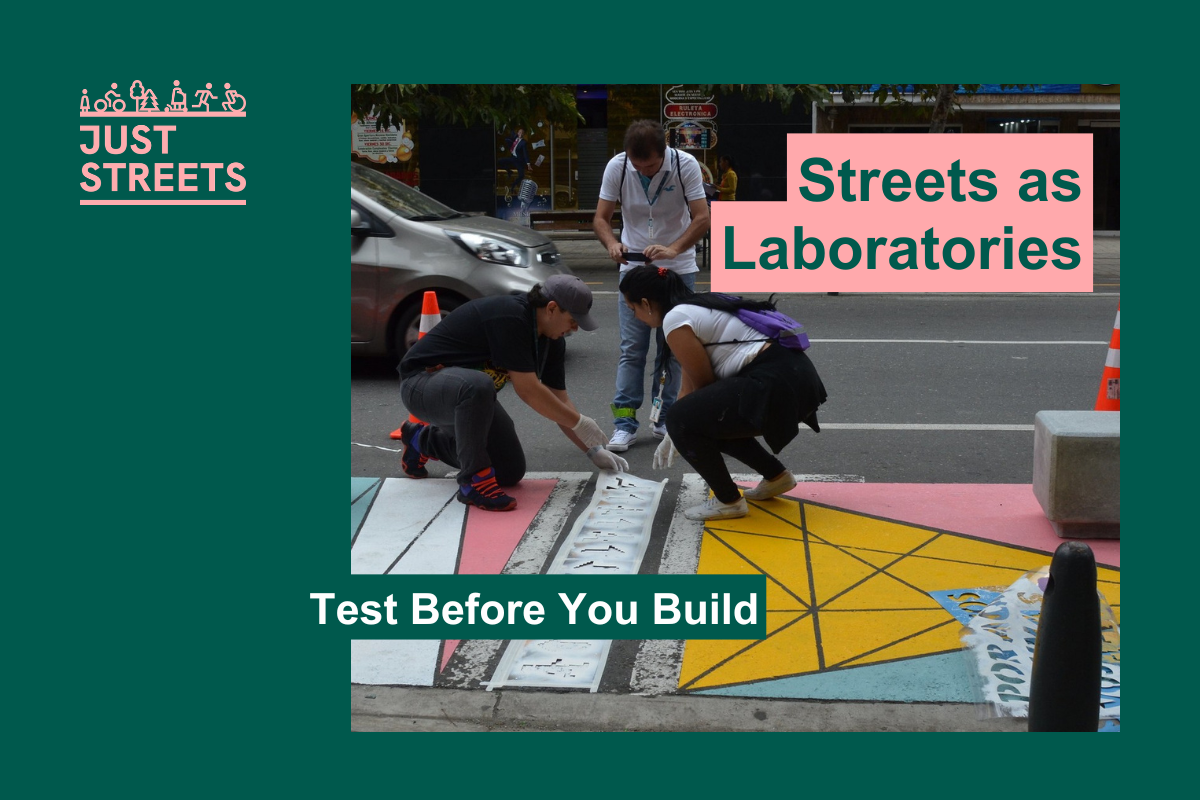
Streets as Laboratories: Test Before You Build
Street experiments and living labs allow cities to test changes in real conditions rather than only on paper. They help cities learn quickly, reduce risk, and observe how interventions perform in everyday use, informing more adaptable and evidence-based urban planning.
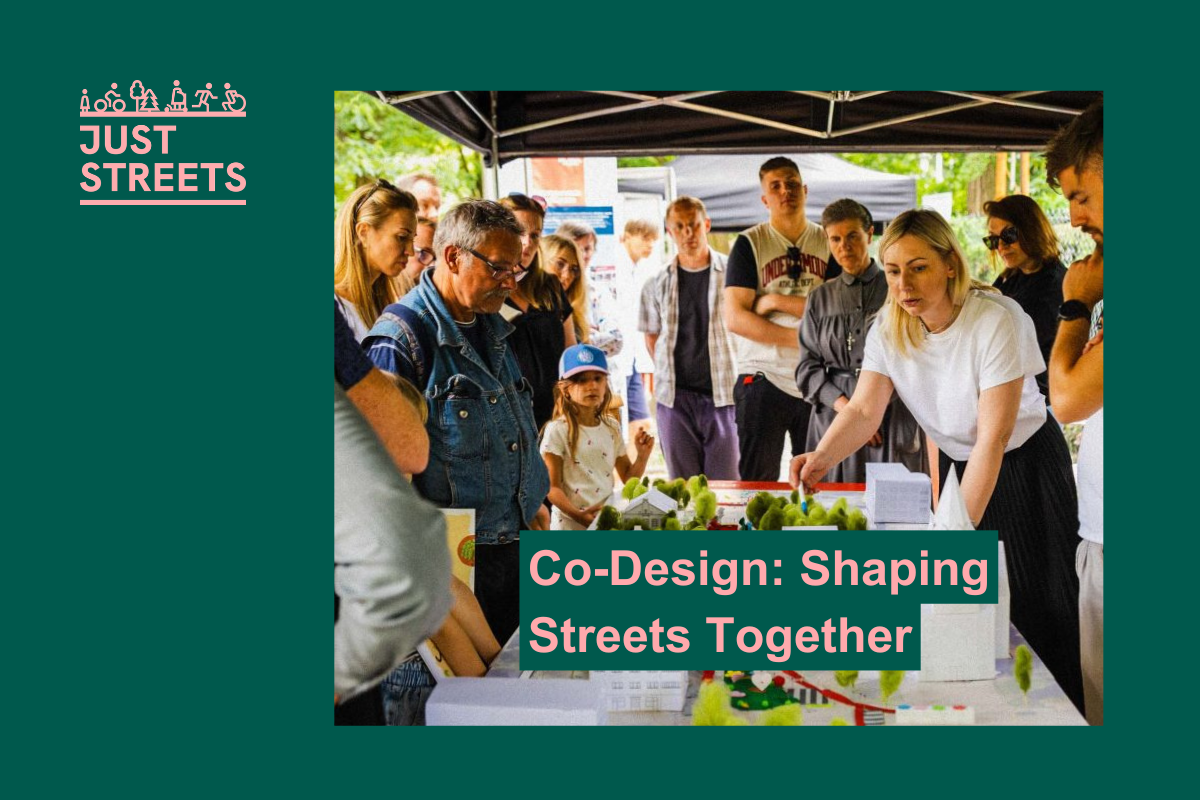
Co-Design: Shaping Streets Together
Co-design is a participatory approach where residents, planners, and city teams work together to shape streets. It connects lived experience with decision-making, leading to concrete changes such as safer crossings, greener sidewalks, and improved public space.
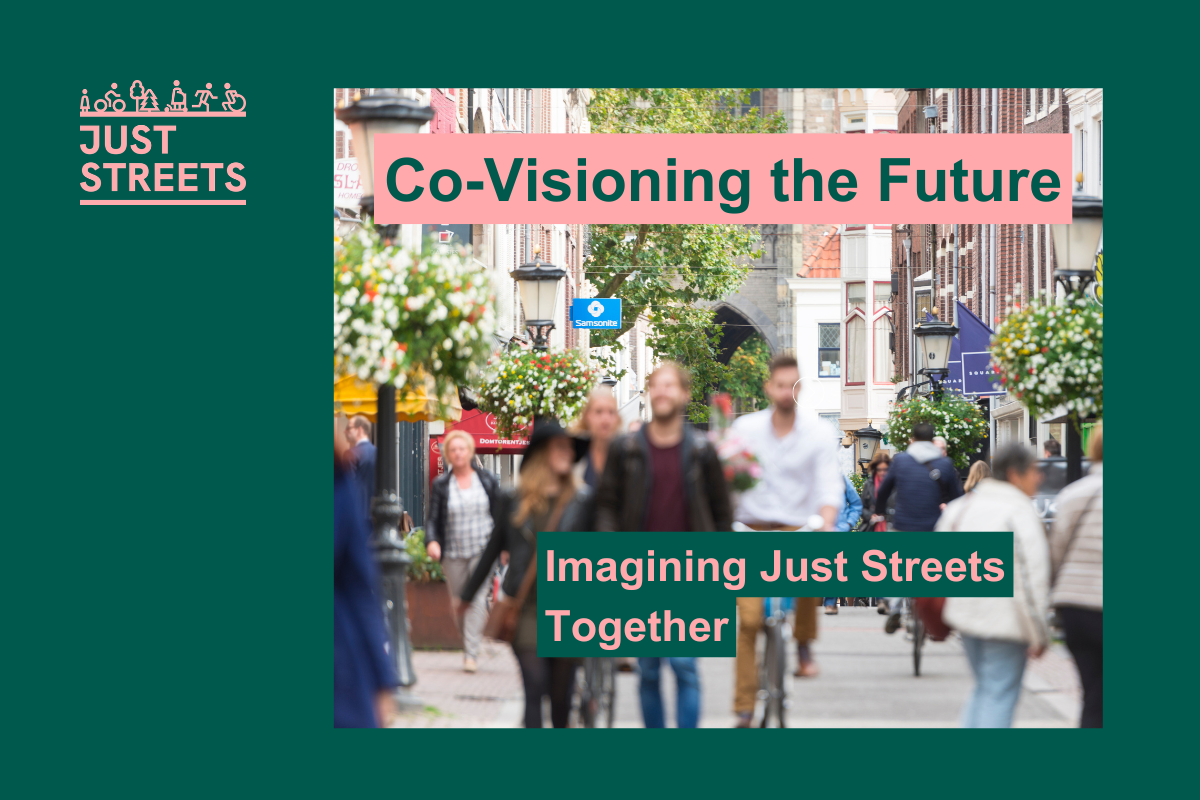
Co-Visioning the Future: Imagining Just Streets Together
Co-visioning brings residents, planners, and local voices together to imagine future streets through creative methods such as drawing, storytelling, mapping, and scenario-based workshops. It helps identify shared values and priorities that can inform more inclusive street design and planning decisions.
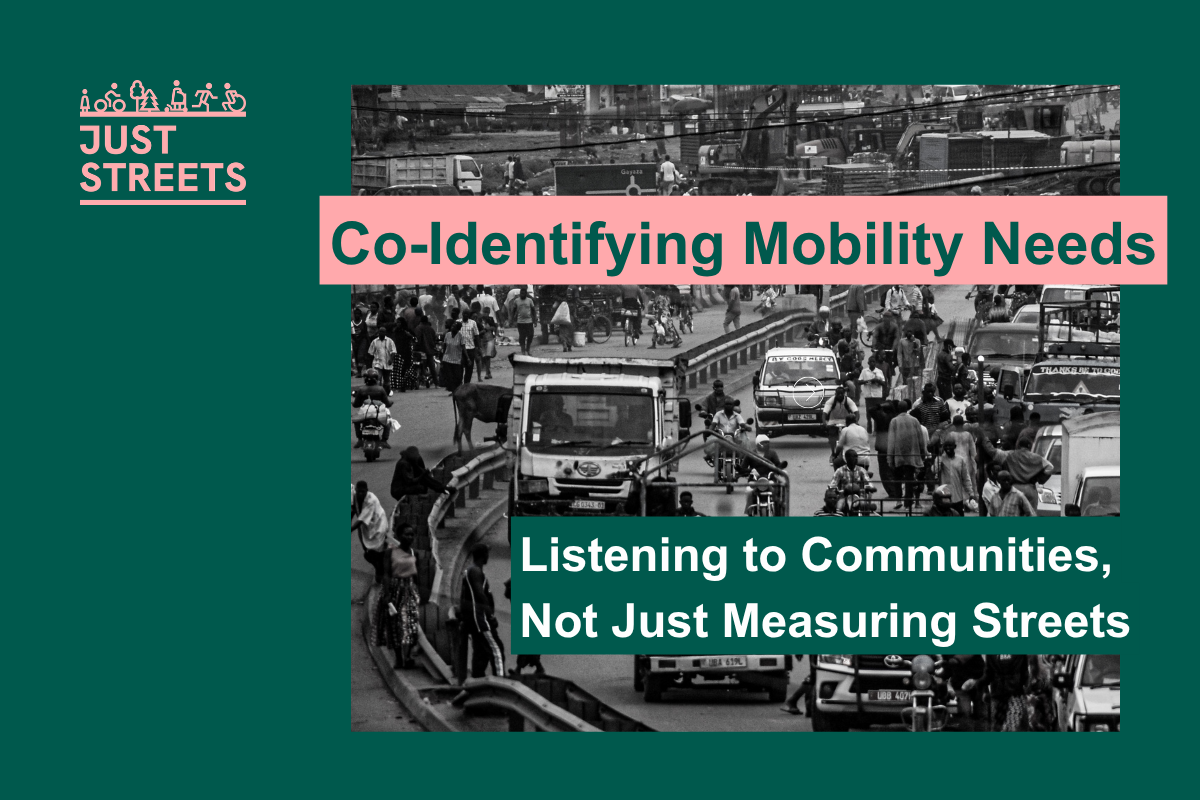
Co-Identifying Mobility Needs: Listening to Communities, Not Just Measuring Streets
Co-identifying everyday mobility needs focuses on lived experiences rather than only data or design standards, using approaches such as walking audits, community sessions, collaborative mapping, and street ambassadors.
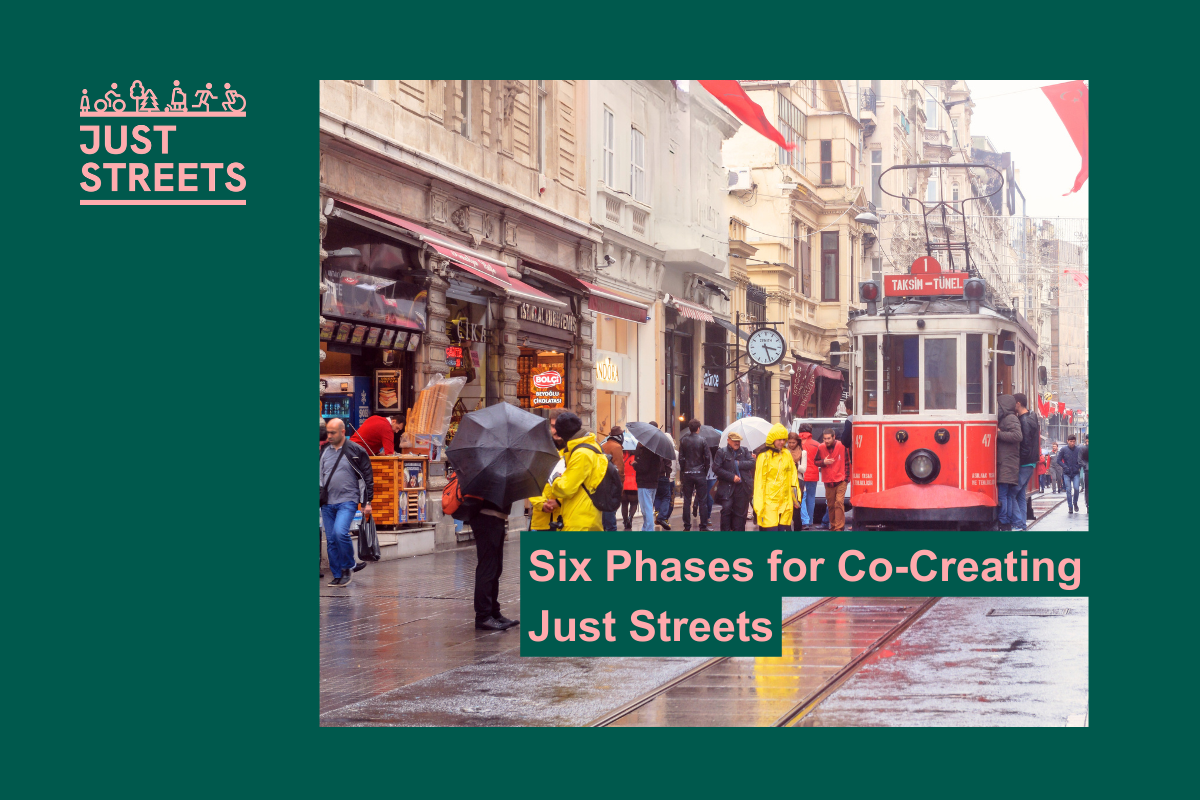
Six Phases for Co-Creating Just Streets
Fair streets don’t just happen - they’re built when people work together. Co-creation is a pathway, not a straight line: cities can enter at any phase, loop back as contexts change, and use each step to shift power and make streets more just. Here are the six phases that guide this process.
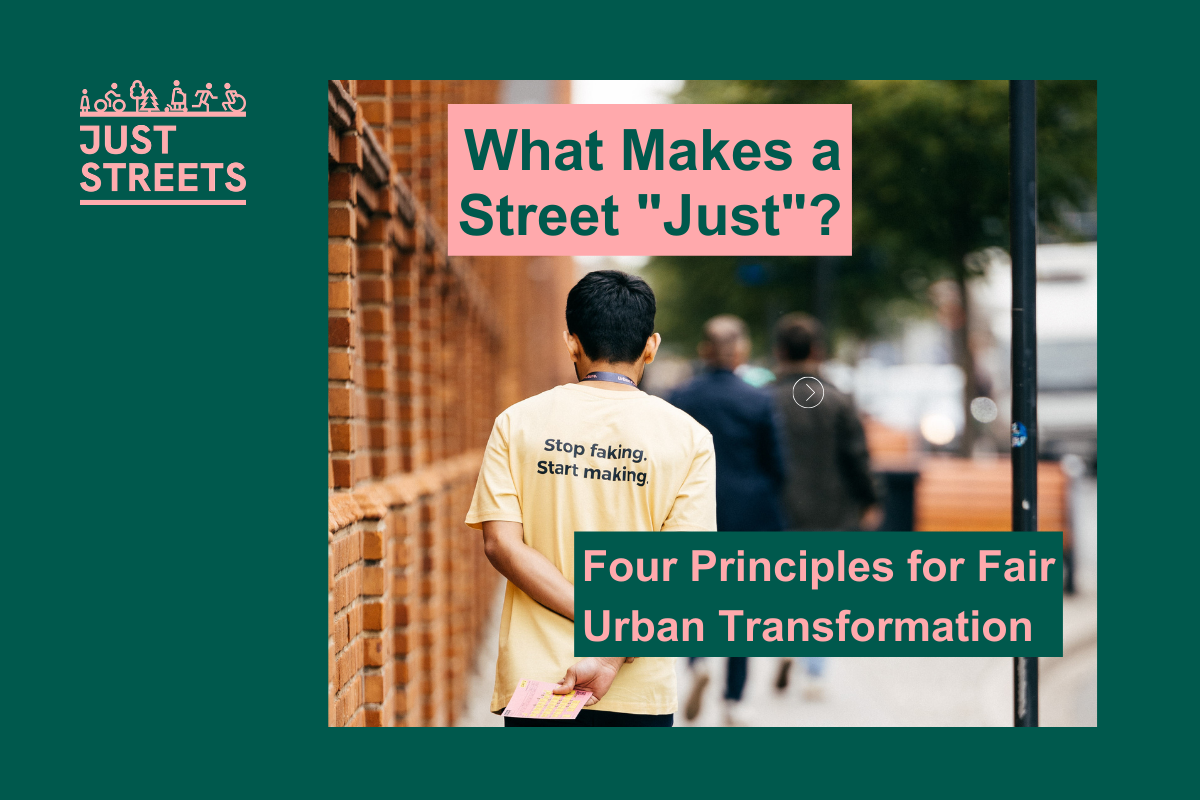
What Makes a Street "Just"? Four Principles for Fair Transformation
When we talk about just streets, some may picture cleaner air or fewer traffic jams. But justice goes deeper — it's about whose lives improve, who feels welcome, and who gets to take part in shaping the city. Here are the four key dimensions of justice that shape how streets are redesigned.
YOUR HUB FOR
Knowledge in Action!
We’re gradually sharing practical, research-based takeaways showing what mobility justice looks like in action and how to bring it to your streets.
Sign up to receive Knowledge Pills and JUST STREETS updates, and download the full Justice TOOLKIT for Streets.