
Local authorities from across Europe are joining JUST STREETS as Twin Cities.
Through a flexible, collaborative learning programme - combining peer exchange, expert insights and hands-on workshops - each city will build its own roadmap toward inclusive and climate-resilient urban mobility, adapting proven street transformation strategies to their own local context.
Selected from 68 applications, 12 cities are taking part in the programme, running from February 2026 to June 2027.
Adana, Türkiye
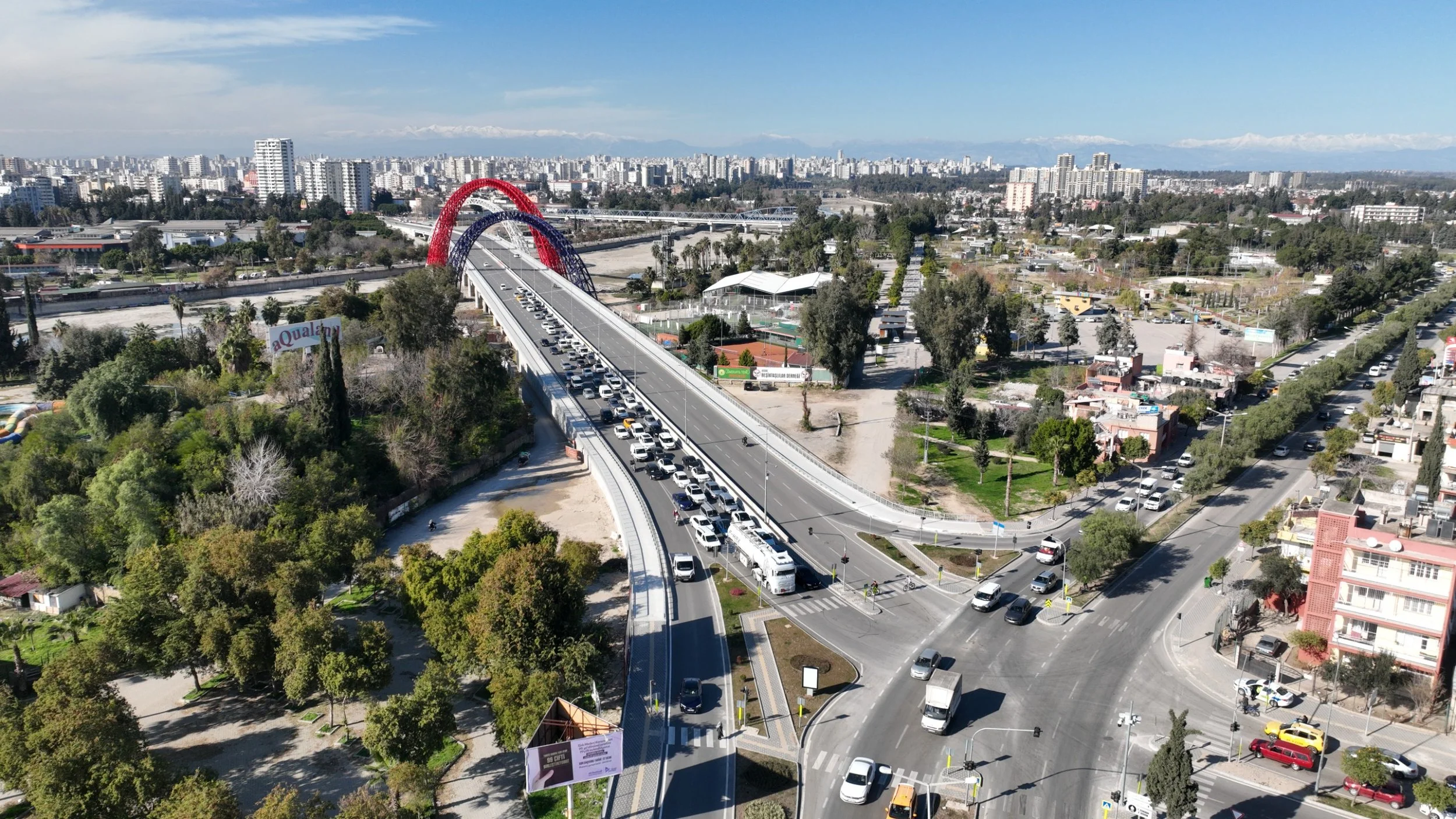
Adana, Türkiye's fifth-largest city, lies in the fertile Çukurova plain in the Mediterranean Region. With 1.9 million residents, it is a vital agricultural, industrial and commercial hub, famed for cotton, citrus, textiles and cuisine, with roots over 8,000 years old as a Cilician trade centre.
Adana struggles with rapid urbanisation causing traffic congestion, car dependency and air pollution. The city features the Adana Metro light rail, buses, Çukurova Airport and rail links, and promotes sustainable mobility through integrated planning and better public transport.
-
High car dependency and traffic congestion due to rapid urbanisation and car-oriented development, limiting equitable access to safe, efficient mobility for all residents, particularly vulnerable groups.
Insufficient infrastructure for active mobility, including inadequate pedestrian paths and cycling lanes, which reduces safety, discourages walking and cycling and exacerbates social exclusion in street use.
Air pollution and health impacts from vehicle emissions, disproportionately affecting lower-income communities and undermining environmental justice in urban spaces.
-
Develop a tailored Twin City Roadmap for transitioning to inclusive, climate-resilient urban mobility, integrating lessons from mobility justice, behavioural strategies and street transformation methodologies to guide long-term planning.
Enhance active mobility infrastructure by gaining practical know-how from international partners to improve pedestrian and cycling facilities, reduce car dependency and create safer, more equitable streets for vulnerable groups.
Strengthen capacity and collaboration to address local challenges like congestion and pollution, fostering sustainable, human-centred street designs that prioritise people over vehicles and promote environmental and social justice.
Antwerp, Belgium
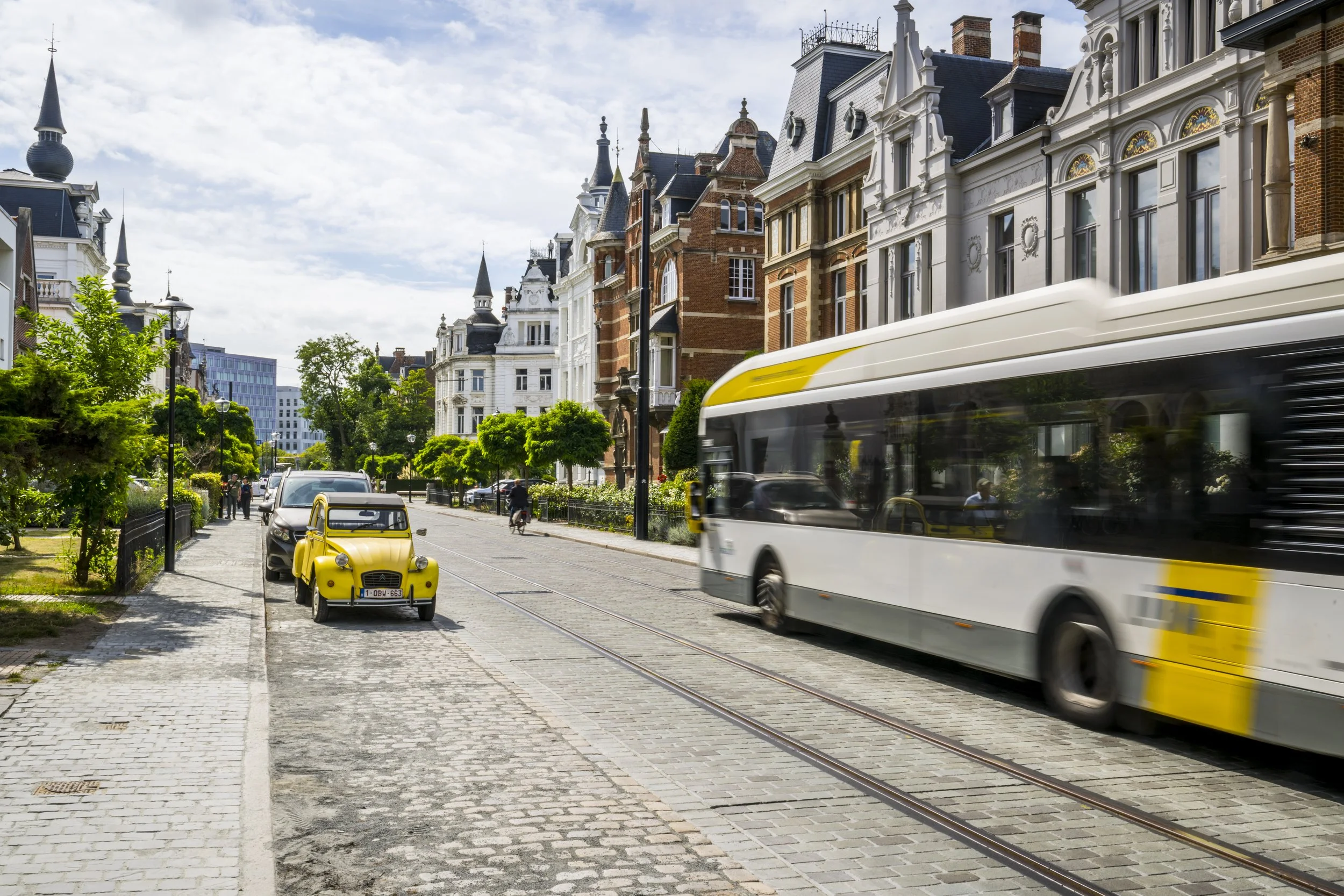
Antwerp, Belgium's second-largest city and a major European port, faces complex challenges related to mobility, inclusive public space and climate adaptation. These challenges are amplified by rapid urban growth, high traffic volumes and increasing climate risks such as frequent flooding and prolonged droughts.
To address these issues, Antwerp has developed several strategic frameworks including the Climate Plan 2030, Water Plan, Routeplan 2030 (Mobility Plan) and Greening Strategy. While these plans set ambitious goals, the real challenge lies in translating vision into practice and implementing systemic solutions at scale.
-
Limited green and social areas, especially in dense districts
Lack of cool spaces to mitigate heat stress
Modal shift struggles due to car dependency.
-
Strengthen the modal shift and reduce car dependency: Antwerp aims to promote active mobility through initiatives such as school streets, cycling corridors and the Smart Ways to Antwerp programme. Learning from other cities will help overcome behavioural barriers, improve street safety and scale promising pilot projects.
Integrate climate adaptation into street design: Antwerp seeks expertise on green-blue infrastructure, permeable materials and heat mitigation strategies to reinforce its Climate Plan 2030 and expand the Garden Streets programme. Scaling up pilot cases and embedding climate resilience into everyday street planning is a priority.
Città di Bra, Italy
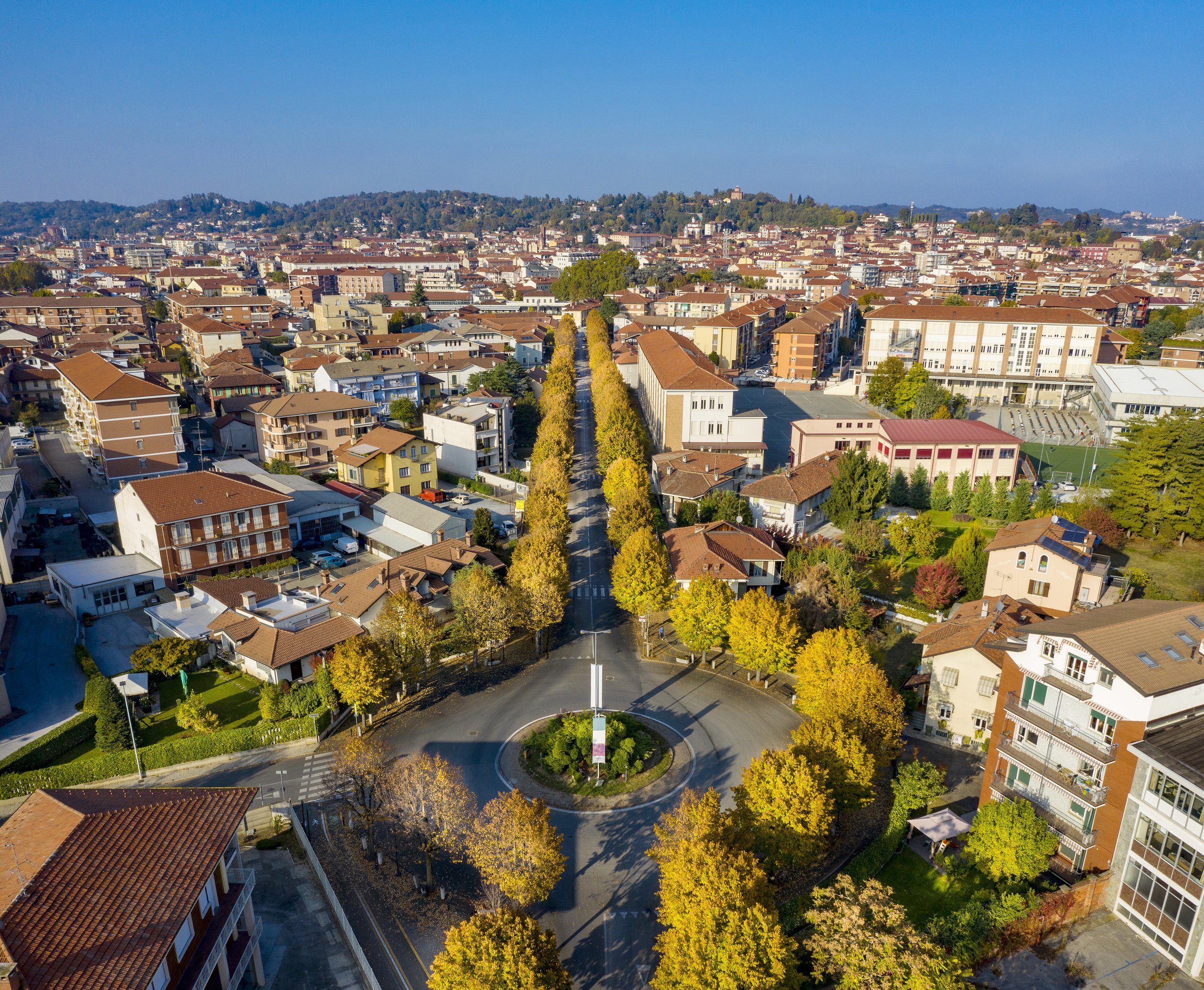
The Municipality of Bra is a small city of around 30,000 inhabitants located in Northern Italy, between the famous hills of Langhe and Roero, not far from Turin. Due to its geographical position, there is a high level of traffic and an increasing level of air pollution.
Despite this, in recent years significant efforts have been made to develop slow streets suitable for both cyclists and pedestrians in order to preserve air quality and stimulate physical activity. Local policy aims to continue in this direction, making the city centre even more sustainable, green and inclusive.
-
Gaining new approaches to make the city even more inclusive and accessible, including for people with disabilities, enabling them to experience the city independently.
Increasing the number of cycling routes and pedestrian paths to facilitate short trips such as home-to-work and home-to-school commuting, learning from best practice in other European cities.
-
Transfer new sensitivity and awareness to citizens. Bra strongly believes that only by changing citizens' behaviour and attitude - above all among new generations - can real and long-lasting sustainability be created, both for the city and the planet.
Brussels Capital Region, Belgium
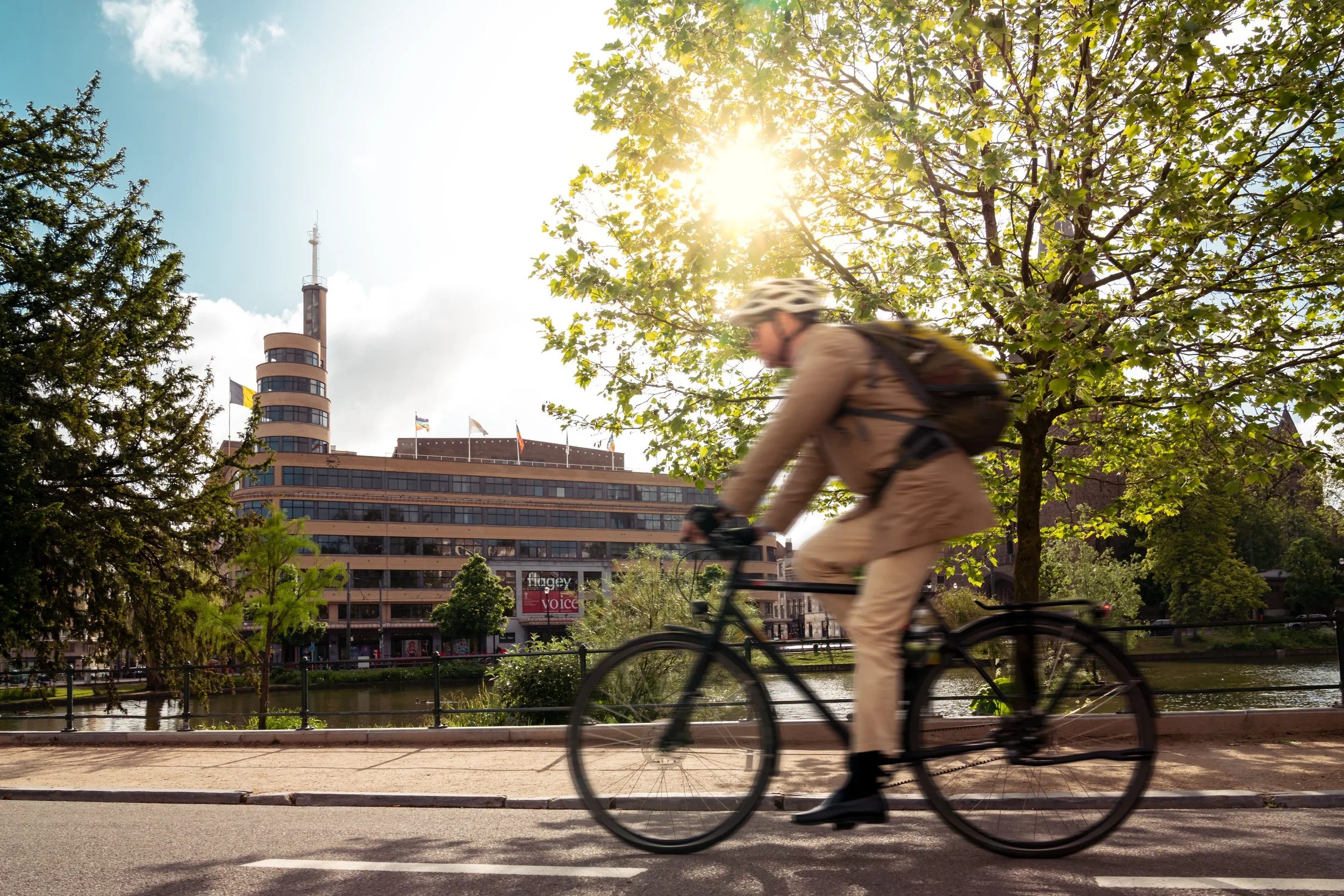
Brussels-Capital Region is a dense, diverse urban region and the administrative heart of Europe. Its mobility and urban planning strategies focus on reclaiming public space, improving air quality and reducing car dependency.
Through initiatives like the Regional Mobility Plan 'Good Move' and the Low Emissions Mobility Roadmap, Brussels promotes multimodal mobility, expands cycling and pedestrian infrastructure, enhances public transport and shifts toward low-emission and shared vehicles. The region aims to build a more accessible, sustainable and people-centred urban environment.
-
Barriers to the shift toward sustainable transport modes: socially vulnerable groups are more likely to experience barriers in the uptake of active mobility, especially cycling. The implementation of the Low Emissions Zone and certain Low Traffic Neighbourhood plans, as well as the reduction of street parking, has faced resistance also because of social justice concerns.
Socio-environmental inequalities: denser neighbourhoods in the city centre that concentrate socio-economic disadvantage are also those experiencing higher levels of environmental hazards such as air pollution, noise and thermal stress.
Uneven qualities of public space: the size and paving of sidewalks, the presence or absence of benches, the greening of the streetscape and the space allocated to driving and parked cars are all factors that can make the shift to active mobility challenging, with its potential uneven across the regional territory.
-
Strengthen capacity to redevelop and manage public space, and raise the inspiration and energy of staff working on the environmental and social aspects of city planning.
Exchange with peers and experts and learn new concepts related to mobility justice and inclusive public space, and ways of effectively putting these concepts to work in the city.
Bucharest District 1, Romania
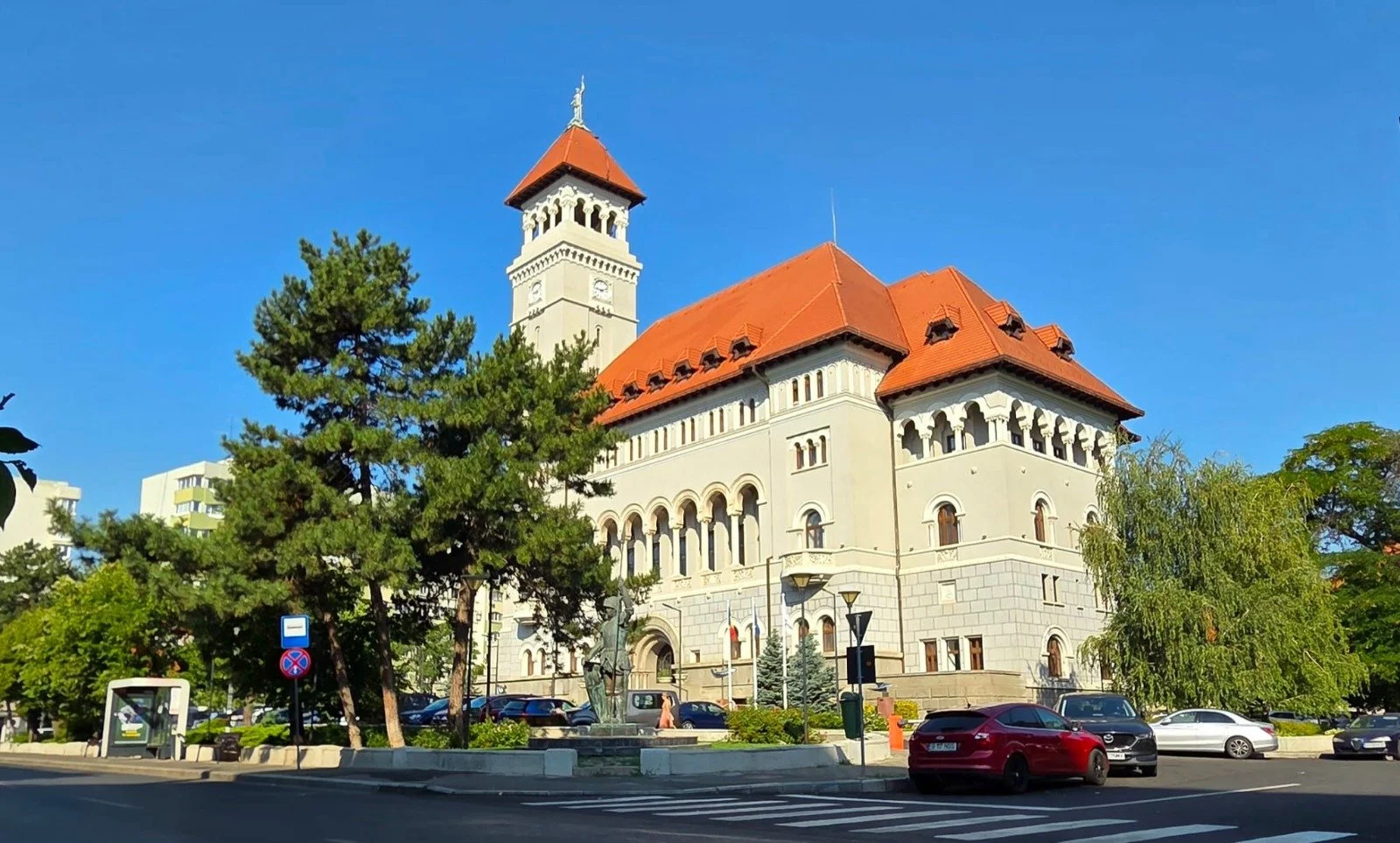
District 1 is one of the most dynamic areas of Bucharest, combining dense residential neighbourhoods, major public institutions, green spaces and key metropolitan transport corridors. Despite its economic vitality, the district faces significant mobility and urban planning challenges including high car dependency, congestion, fragmented pedestrian and cycling infrastructure and limited accessibility for vulnerable groups.
According to the Bucharest Sustainable Urban Mobility Plan (PMUD 2016–2030), a transition toward people-oriented streets, integrated transport systems and climate-resilient public spaces is essential for improving quality of life.
-
Persistent car dependency and congestion, combined with fragmented and insufficient walking and cycling infrastructure, limiting sustainable mobility choices.
Vehicle-dominated and inaccessible public spaces, with unsafe crossings, narrow sidewalks and barriers for children, elderly people and persons with disabilities.
Increasing vulnerability to climate impacts (urban heat island effect, heavy rainfall, flooding), exacerbated by impermeable surfaces, limited green infrastructure and weak institutional coordination.
-
Transform selected streets and corridors into safe, human-centred and climate-resilient public spaces through pilot interventions, tactical urbanism and nature-based solutions.
Strengthen participatory urban design and co-creation by engaging citizens, schools, NGOs and local stakeholders in mobility and placemaking initiatives
Accelerate the shift toward active mobility (walking and cycling) and integrate green infrastructure into street redesign, in line with New European Bauhaus principles of sustainability, inclusion and beauty.
Bursa, Türkiye
Bursa is Türkiye's fourth-largest city and a rapidly growing industrial and cultural centre with over 3.2 million residents. While the city has strong strategic plans for sustainable mobility, increasing car dependency, fragmented walking and cycling networks and climate risks such as heatwaves and flooding continue to shape daily life.
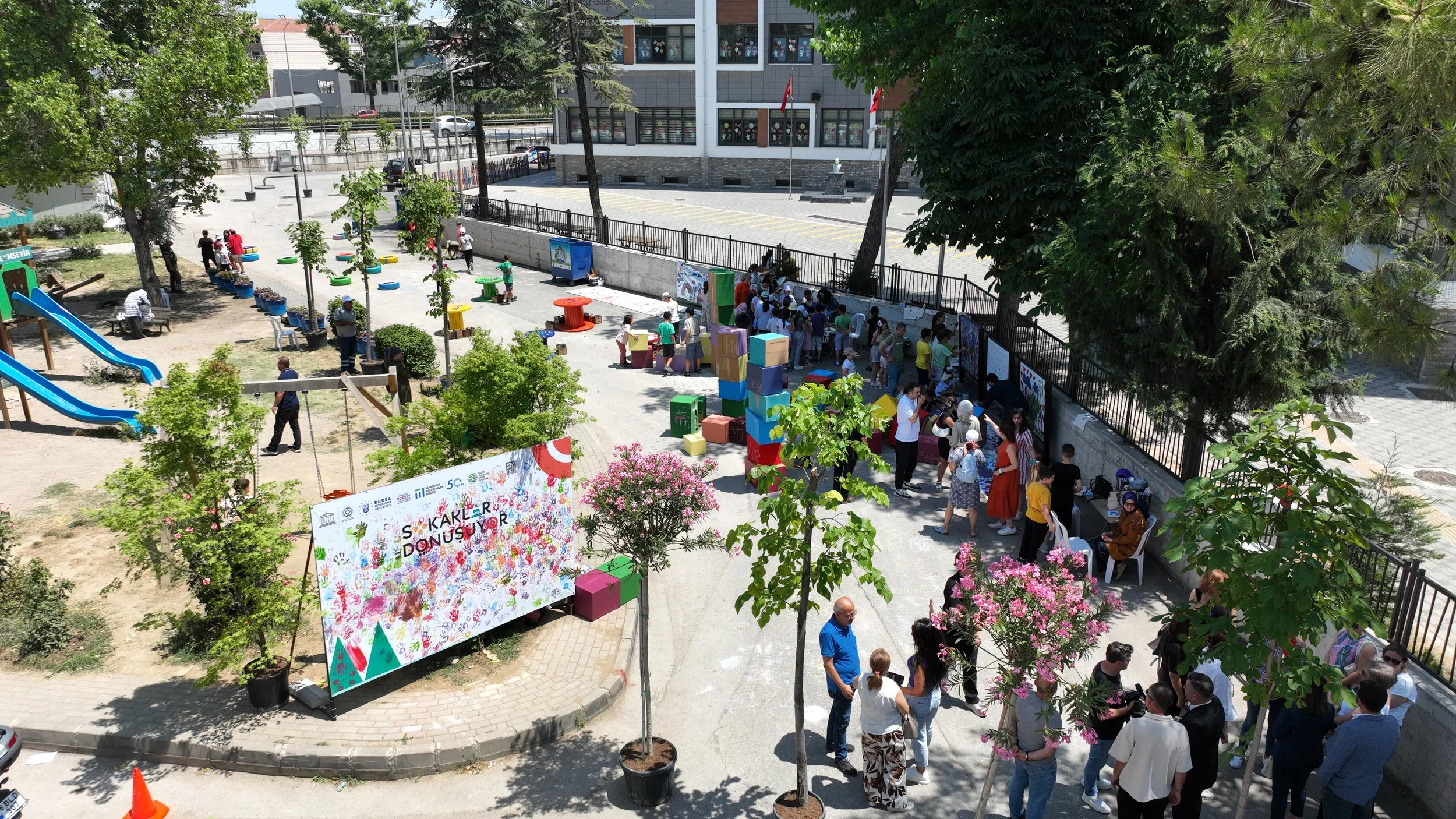
In recent years, Bursa has begun piloting more inclusive and people-centred street transformations through tactical urbanism, school street initiatives and climate-sensitive public space design, aiming to shift toward safer, low-carbon and more equitable mobility for all residents.
-
High private car dependency and fragmented walking and cycling networks limiting safe and equitable access to public space.
Need to embed climate adaptation and social inclusion into street and mobility design.
Limited coordination and tools to scale up pilot projects into city-wide, institutionalised practice.
-
Scale up school streets and open streets while embedding inclusive, people-centred street transformations across the city.
Strengthen institutional capacity and cross-departmental collaboration for just mobility.
Exchange practical tools and evaluation methods with peer cities and embed them into long-term planning.
-
Bursa is working in collaboration with the Marmara Municipalities Union (MMU), a regional local government association representing over 190 municipalities. Building on MMU's Reclaiming Streets programme and its regional learning networks, the Twin City experience in Bursa will be shared and scaled across multiple cities in Türkiye, amplifying the programme's impact beyond a single municipality.
Cascais, Portugal
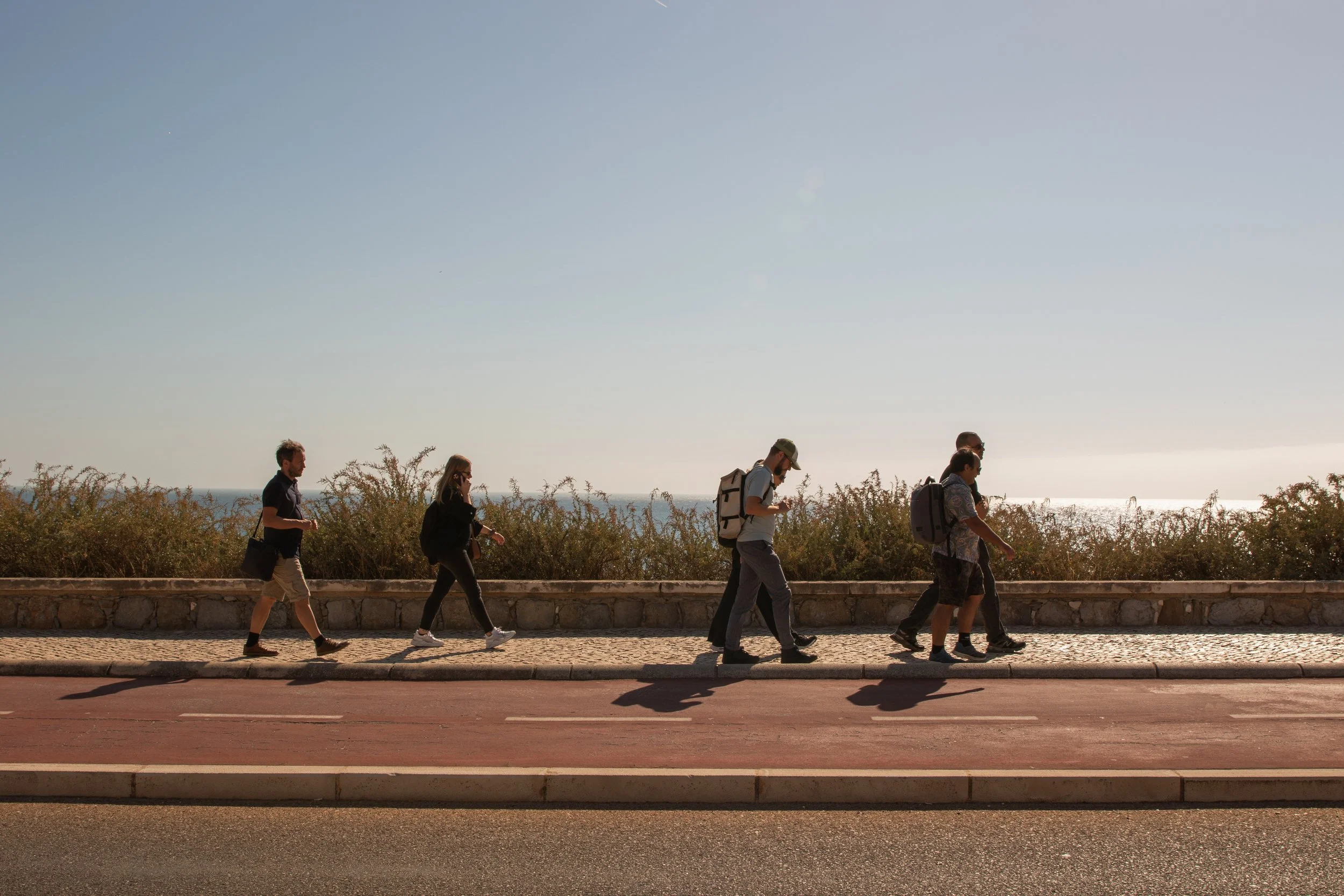
Cascais is located on Portugal's west coast, covering 97.4 km². The municipality values its rich natural and cultural heritage: one-third of its territory is protected landscape, and its 30 km coastline provides significant environmental and recreational benefits.
Cascais is a national pioneer in sustainable urban planning, integrating climate action, energy transition and mobility into a long-term vision. The Urban Mobility Action Plan and Municipal Climate Action Plan guide these efforts. A key initiative is MobiCascais, an integrated system connecting public transport, shared mobility, parking management and electric vehicle charging infrastructure through a single digital app.
-
High private car dependency and transport emissions: despite free public transport for residents, students and workers in Cascais, 66% of residents still commute by car, and transport accounts for around 50% of greenhouse gas emissions. This contributes to congestion, air pollution and unequal access to safe and sustainable mobility options, particularly for non-drivers.
Accessibility and inclusivity of public space: Cascais' distinctive coastal topography presents natural challenges including steep streets and exposure to sun and heat, while cycling and pedestrian networks are still being expanded. Enhancing street design to improve comfort, continuity and accessibility will help create safer, more climate-resilient public spaces and strengthen mobility justice for all users.
Behavioural and cultural change: promoting collective transport, walking and cycling requires not only infrastructure but also climate literacy and social transformation.
-
Co-design and implement a pilot "Living Street": develop and test a traffic-free, climate-resilient coastal space that prioritises pedestrians, cyclists, biodiversity and inclusive public space, while ensuring sustainable mobility connections.
Strengthen governance and technical capacity for inclusive street transformation: enhance Cascais' ability to manage complex mobility transitions in environmentally sensitive areas through peer learning, collaborative governance and integrated planning approaches.
Scale and replicate people-centred, low-carbon mobility solutions: use the Living Street pilot to encourage behavioural change, improve accessibility for vulnerable groups and replicate this model along Cascais' 30 km coastline, advancing climate neutrality and social inclusion.
Iasi, Romania
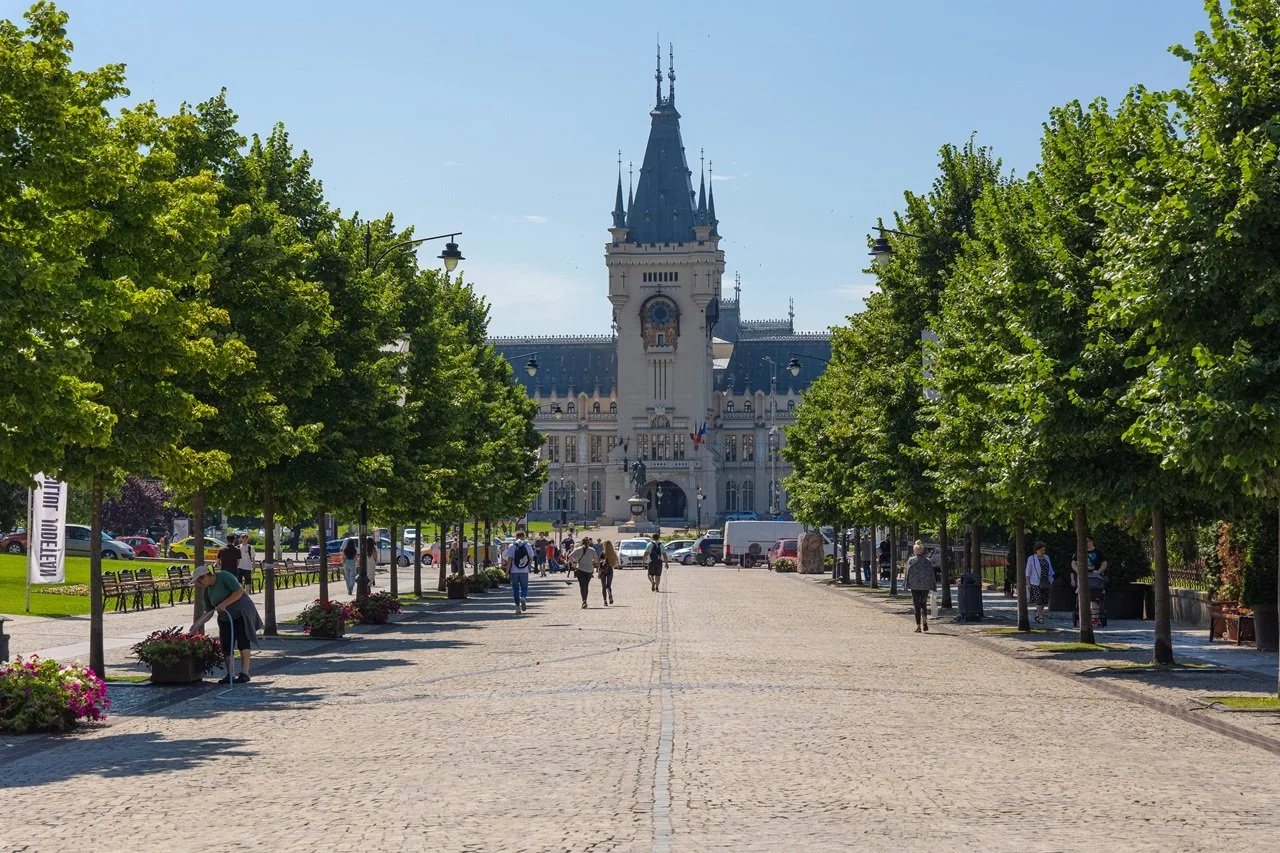
Iași is Romania's second-largest city by urban area, with approximately 300,000 city-proper residents and over 450,000 in the metropolitan area, and its cultural and historical capital. Located in northeastern Romania at the European Union's eastern border, the city hosts over 60,000 students across five public universities, generating intense daily mobility demand. Public transport relies on a tram network operational since 1900 and a bus fleet serving over 140,000 passengers daily.
Currently, Iași is investing in fleet modernisation — including 18 new electric trams procured in 2024 — while working to reduce car dependency and expand sustainable urban mobility options across both its dense urban core and surrounding metropolitan communities.
-
High car dependency and traffic congestion: Iași faces significant and growing private car use, generating congestion especially around university areas and the city centre, where approximately 10,000 pupils and 60,000 students create intense daily mobility demand. The city's Sustainable Urban Mobility Plan (SUMP, approved 2017, currently under revision) identifies modal shift as a core priority, yet progress in reducing car dependency remains insufficient.
Inadequate pedestrian and cycling infrastructure: despite plans to pedestrianise central streets and develop cycling facilities outlined in the SUMP, Iași still lacks a safe, connected and inclusive active mobility network. Sidewalks are frequently obstructed, cycling lanes are fragmented, and street space continues to be allocated primarily to motorised traffic, creating barriers for all non-motorised users.
Unequal access for vulnerable groups: elderly residents, people with disabilities and children face disproportionate barriers in using public space and transport safely. School-to-home routes are largely car-dominated, and peripheral neighbourhoods within the metropolitan area (450,000 inhabitants across 20 communes) suffer from limited and infrequent public transport connections, deepening spatial and social inequalities in mobility access.
-
Learning from peer city experience: Iași aims to gain concrete, transferable knowledge from its twin city on people-centred street design and mobility justice approaches, particularly solutions that have successfully reduced car dominance, improved pedestrian and cycling conditions, and ensured equitable access for vulnerable groups including children, elderly residents and people with disabilities.
Strengthening the evidence base for local policy: through the programme, Iași seeks to build a stronger foundation for its ongoing SUMP revision by integrating internationally tested methodologies and tools for inclusive street planning, moving beyond technical traffic management toward a rights-based, equity-focused approach to urban mobility.
Building institutional capacity for sustainable change: Iași hopes to develop the internal expertise and cross-departmental understanding needed to translate programme learnings into concrete local actions, ensuring that insights gained are not limited to individual staff but contribute to lasting institutional change in how the city plans and manages its public street space.
Lviv, Ukraine
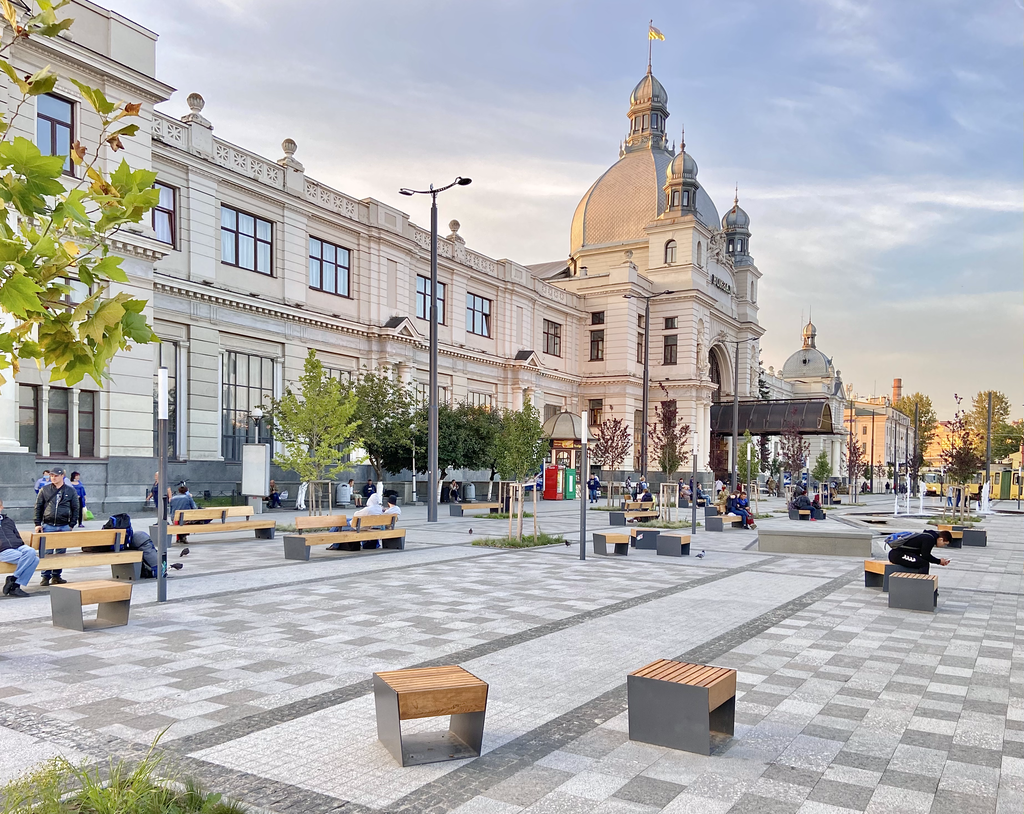
Lviv is a historic, compact yet growing city in western Ukraine. The central part of the city has a well-preserved, dense urban fabric, while modernist-style development dominates the city's periphery.
Lviv has a strong tradition of walking and public transport use. Its mobility system is anchored by trams, trolleybuses and buses, although car use is steadily increasing. Current urban planning priorities focus on improving public transport services, accessibility, traffic calming, cycling infrastructure and street redesign.
-
Better accessibility for people with disabilities
Making walking and cycling more attractive
Safer streets
-
Find new good practices that can be implemented in Lviv
Be inspired by new ideas to make the streets of Lviv more just
Create new partnerships for further cooperation
Maia, Portugal
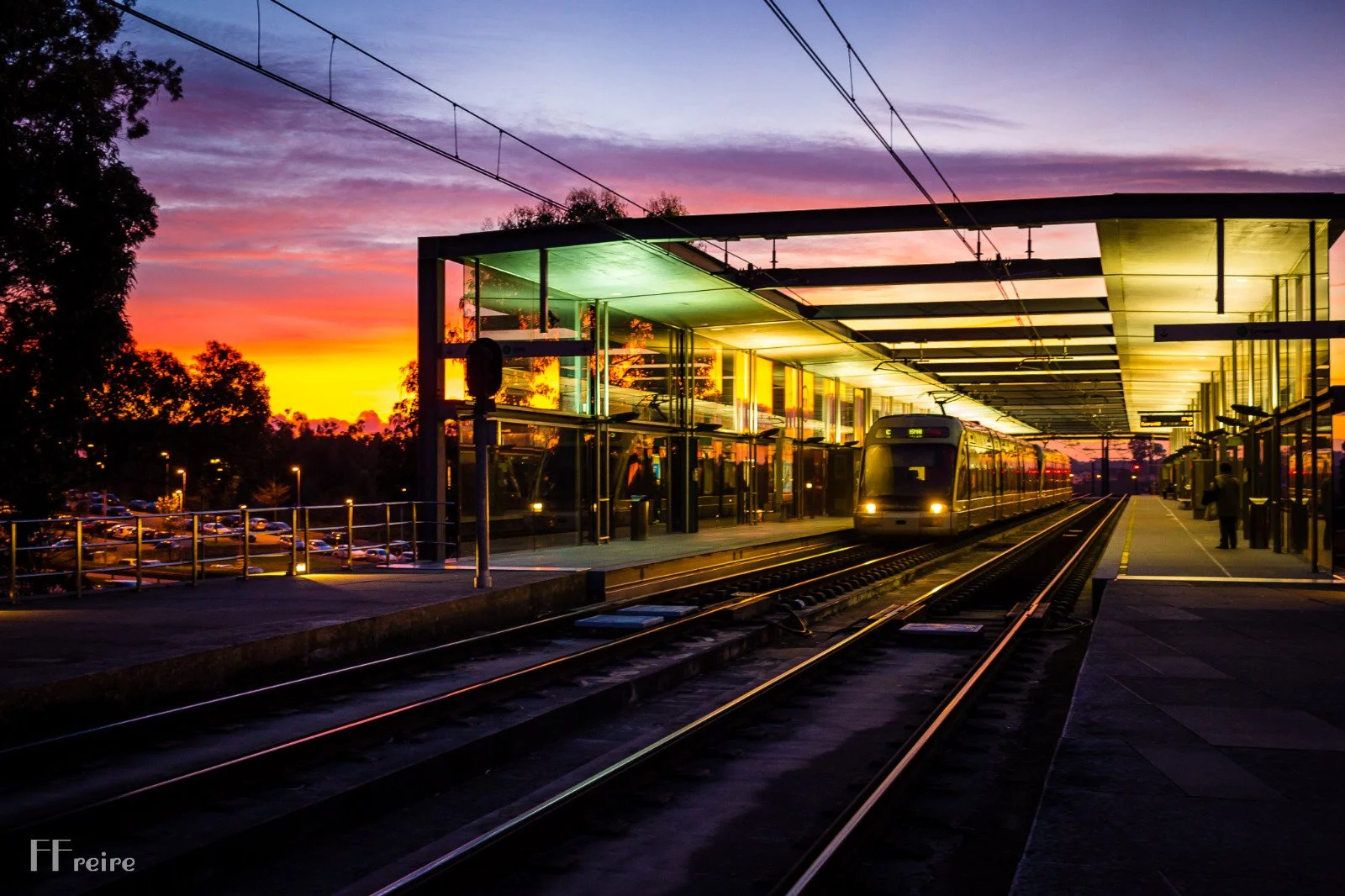
Maia is located in Portugal's Northern Region and part of the Porto Metropolitan Area. It benefits from a geostrategic location due to the presence of Francisco Sá Carneiro International Airport on its territory and its geographical proximity to the Port of Leixões. Maia's territory has a total area of 82.9 km² and a population of 134,977 inhabitants, composed of 10 parishes.
The municipality has seen individual car transport intensify - a result of increasing motorisation rates not only in Maia but across most of the country. Maia is currently developing a new Sustainable Urban Mobility Plan (SUMP) to make urban mobility more inclusive, cleaner and sustainable, and ultimately improve the quality of life of its citizens.
-
Rebalancing street space between cars, pedestrians, cyclists, elderly people, children and people with disabilities.
Designing streets that work not only for car users but for everyone.
Prioritising vulnerable communities, in particular the school community, in urban mobility planning.
-
Data-driven and participatory planning, using urban mobility data and digital tools.
Apply co-creation processes with residents and pilot and test solutions through living labs.
Implement tactical urbanism actions and pilot interventions, particularly on street redesign and school environments.
Swansea, Wales
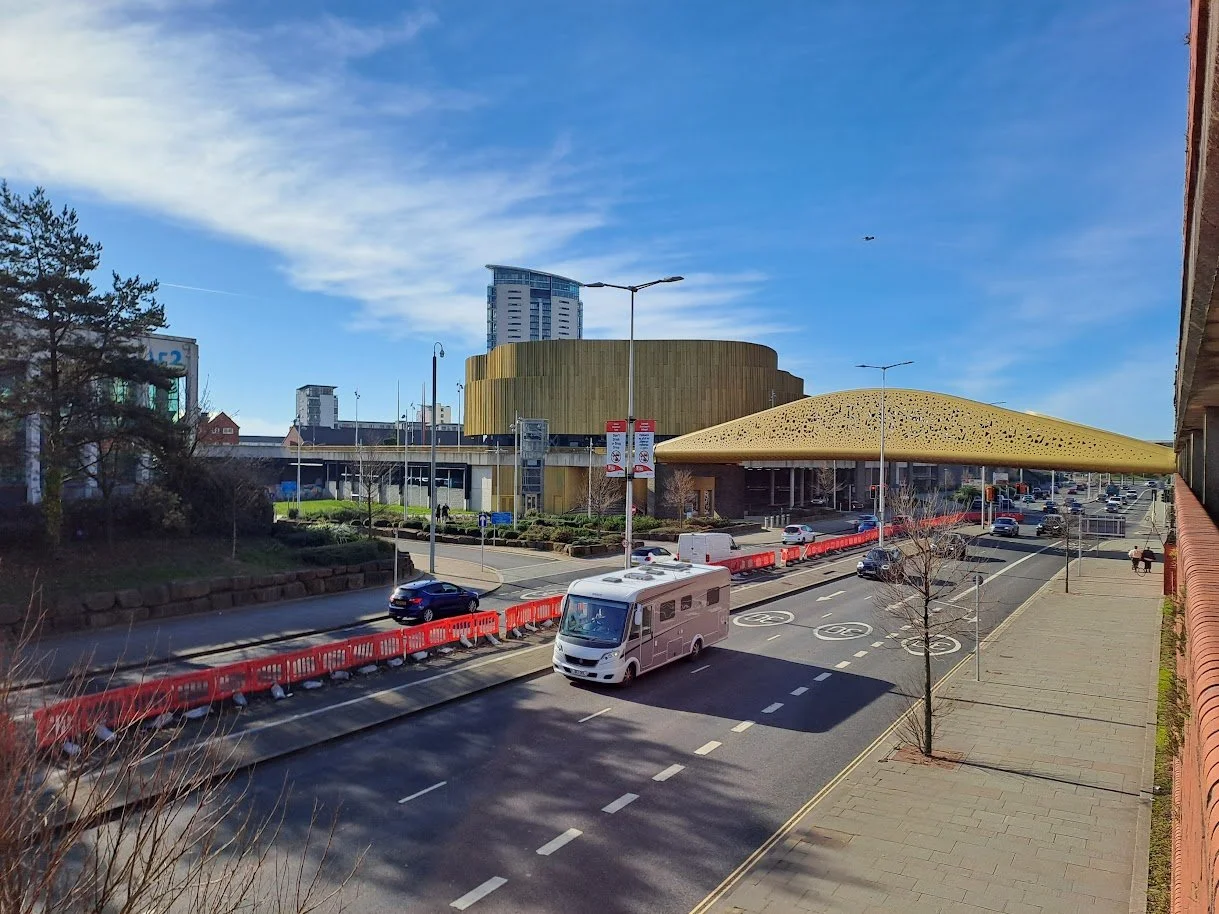
Swansea is Wales' second-largest city, located on the coast of south-west Wales. With a population of 250,000, the city is one hour from Wales' capital Cardiff and three hours from London. Swansea was heavily damaged during the Second World War due to its status as a key port and centre of heavy industry, resulting in much of the centre being destroyed.
The post-war rebuilding of the city coincided with a preference for car-oriented urban planning. This, coupled with the city adapting to its post-industrial role, has resulted in Swansea becoming a decentralised city and a place where many residents feel they need to own a car.
-
Car-centric urban planning: streets and urban spaces are dominated by private vehicle use. High demand for car parking causes pavement parking that hinders pedestrian movement, particularly for those with mobility issues or visual impairments. In district commercial centres this limits the attractiveness of the streetscape as a public space. Out-of-town shopping centres and business parks can be difficult to reach without a car.
Public transport: bus services can be uncompetitive and infrequent, and some services suffer delays due to congestion.
Car-centric street design: some streets and junctions can be difficult to cross due to traffic volumes, wide roads or wide junctions. In some areas pavements can be narrow, reducing ease of pedestrian movement.
-
Learn from the experience of other cities that have implemented street transformation projects such as school streets, mobility hubs, tactical urbanism interventions and parklets, and better understand how to design and deliver such interventions.
Better understand the topics of mobility justice, inclusive urban mobility and climate resilience, including the challenges faced by different groups in society, and learn best practices in participatory planning and design.
Deliver a pathfinder project incorporating this knowledge to highlight the importance of the street as a public space, which will hopefully inspire future interventions across the city.
Venice, Italy
The City of Venice (approx. 252,000 inhabitants), including its mainland areas such as Mestre and Marghera, is the capital of the Veneto Region.
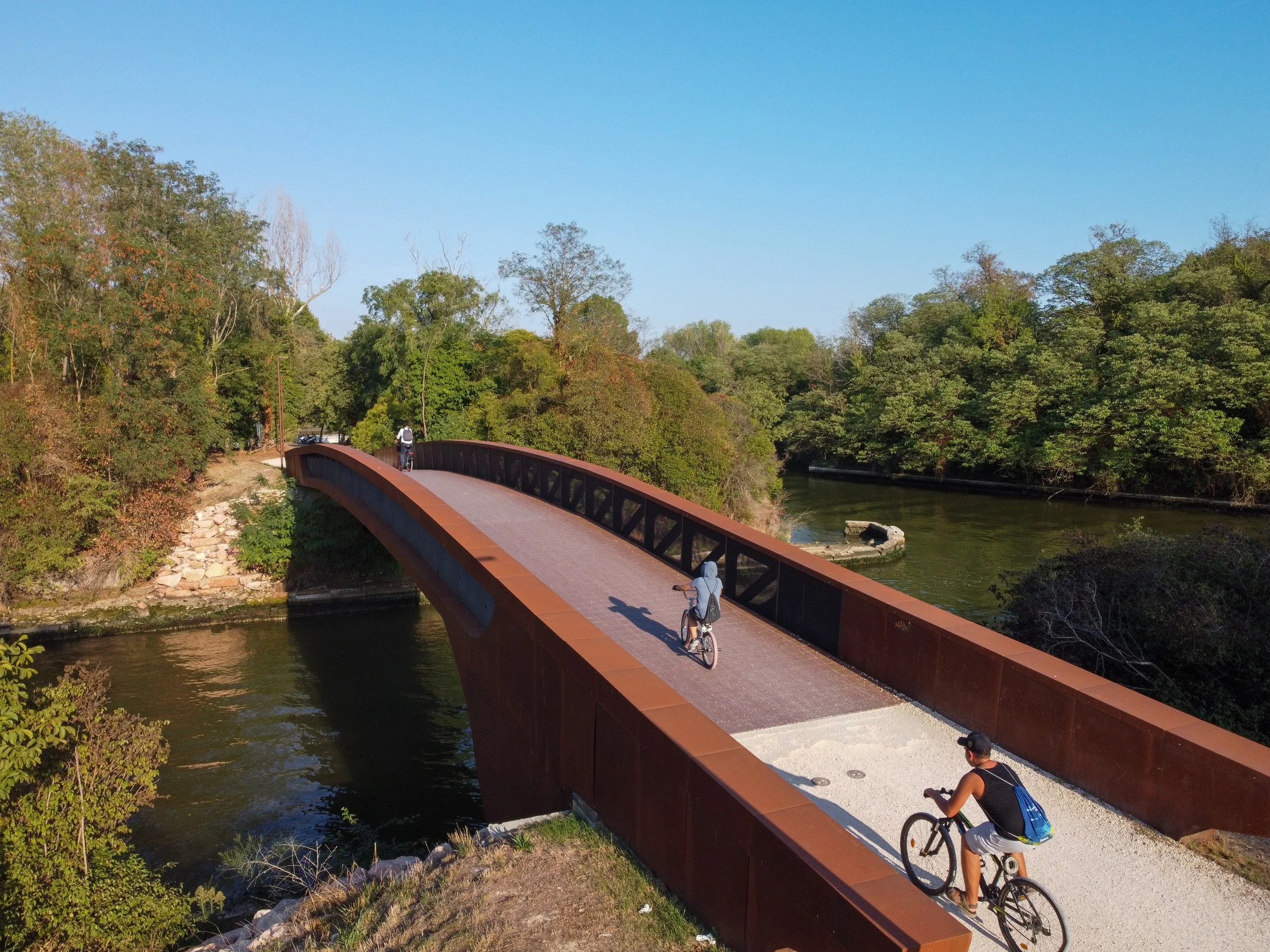
Over the last decade, Venice has significantly improved its sustainable transportation infrastructure: the bike lane network expanded from 4 km in 1992 to 195 km in 2024, and shared mobility services including bike sharing, car sharing and e-scooter sharing have been introduced.
The local SUMP is currently under review, while the metropolitan SUMP was adopted in 2022.
-
Decrease the share of private car use in the local modal split.
Shift residents' behaviour towards more sustainable and active mobility habits.
Improve the liveability of built environments, especially for vulnerable groups such as children and elderly people.
-
Learn from community engagement and behaviour change practices from partner cities.
Explore approaches to greening existing public spaces (e.g. garden streets).
Discover innovative co-creation strategies and experience for better public space.