
JUST STREETS Site Visit in Kozani: Turning Safer School Streets into a Shared European Learning Experience
In May 2026, the city of Kozani welcomed representatives from partner cities and organisations across Europe for a JUST STREETS Pilot Site Visit, providing a valuable opportunity to exchange experiences and explore how cities can create safer, more inclusive, and people-centred streets.
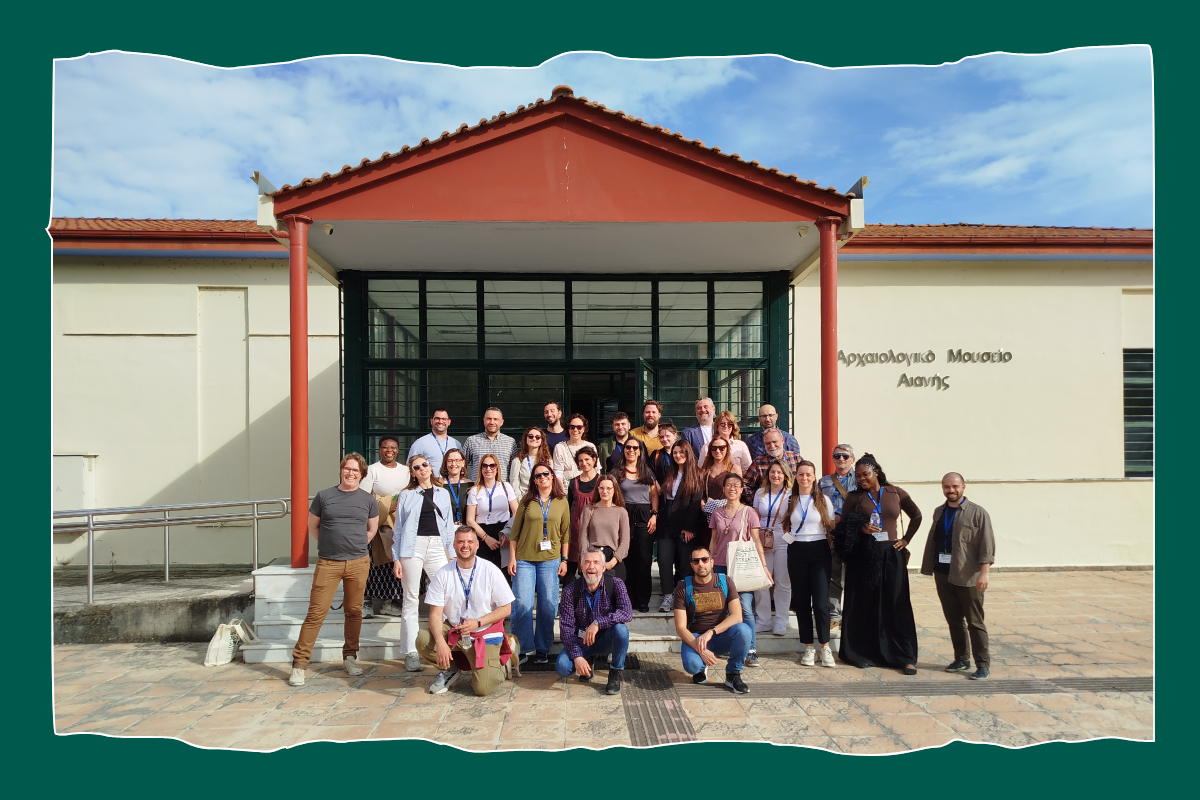
JUST STREETS partners and city representatives gathered in Kozani for a pilot site visit.
A Focus on School Streets
At the heart of the visit was Kozani's ambition to redesign school neighbourhoods and strengthen road safety around local schools.
Through site visits to several school areas, participants examined proposed buffer zones and identified critical safety challenges faced by children, parents, and residents in their daily journeys. These observations highlighted a challenge familiar to many European cities: balancing vehicle circulation with the need to create safer and more welcoming public spaces for vulnerable road users.
Safety as a Social Challenge, Not Just an Infrastructure One
A key learning from the visit was that improving street safety is not only an infrastructure challenge but also a social one. During co-creation workshops, partners discussed planned interventions in the city's street network while exchanging ideas on how tactical urbanism and community-led approaches can help strengthen neighbourhood relationships and encourage more sustainable mobility behaviours. The discussions reinforced the importance of involving local communities early in the planning process to ensure that proposed solutions respond to real needs and gain long-term support.
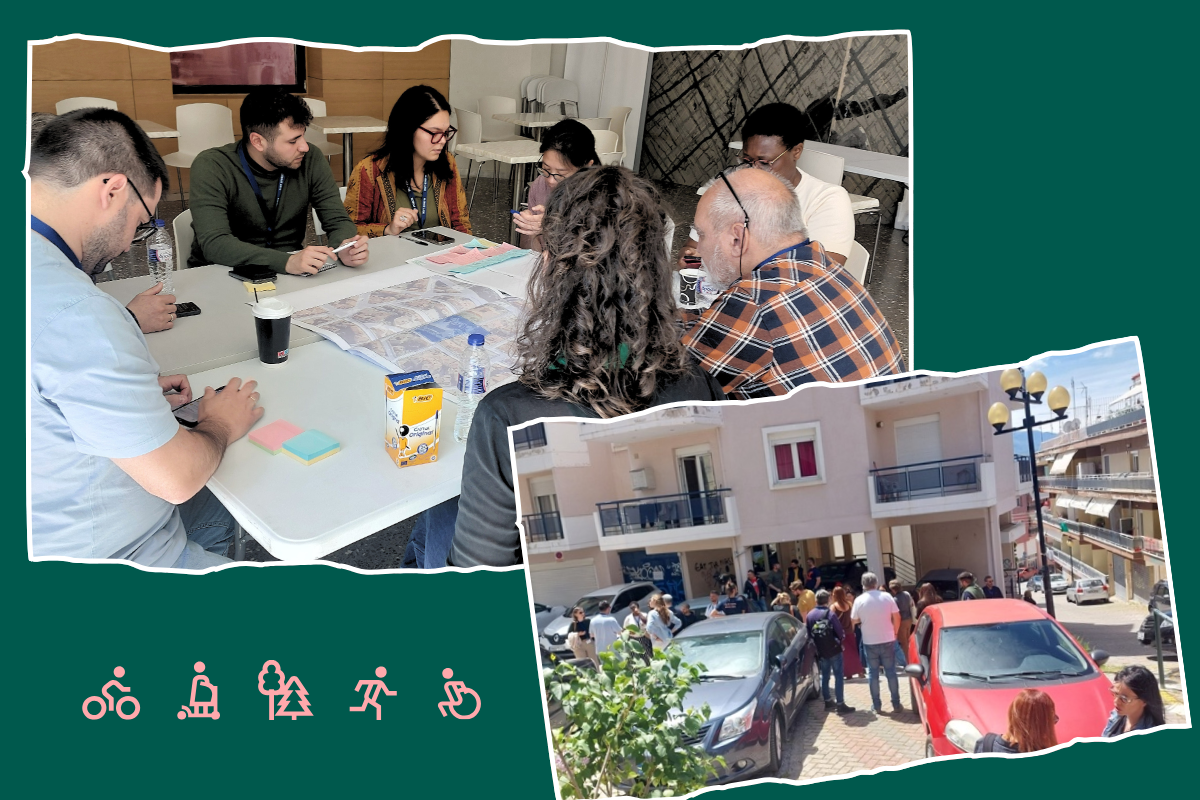
Partners visited school streets on site and shared ideas during co-creation workshops.
Data and Innovation in Urban Planning
The visit also demonstrated the growing role of innovation in urban planning. The use of LiDAR technology to collect detailed data on traffic interactions and potential conflict points illustrated how evidence-based decision-making can support more effective and targeted interventions. At the same time, workshops on climate adaptation, circular economy principles, and the New European Bauhaus highlighted the need to integrate mobility, sustainability, and urban design into a single vision for future cities.
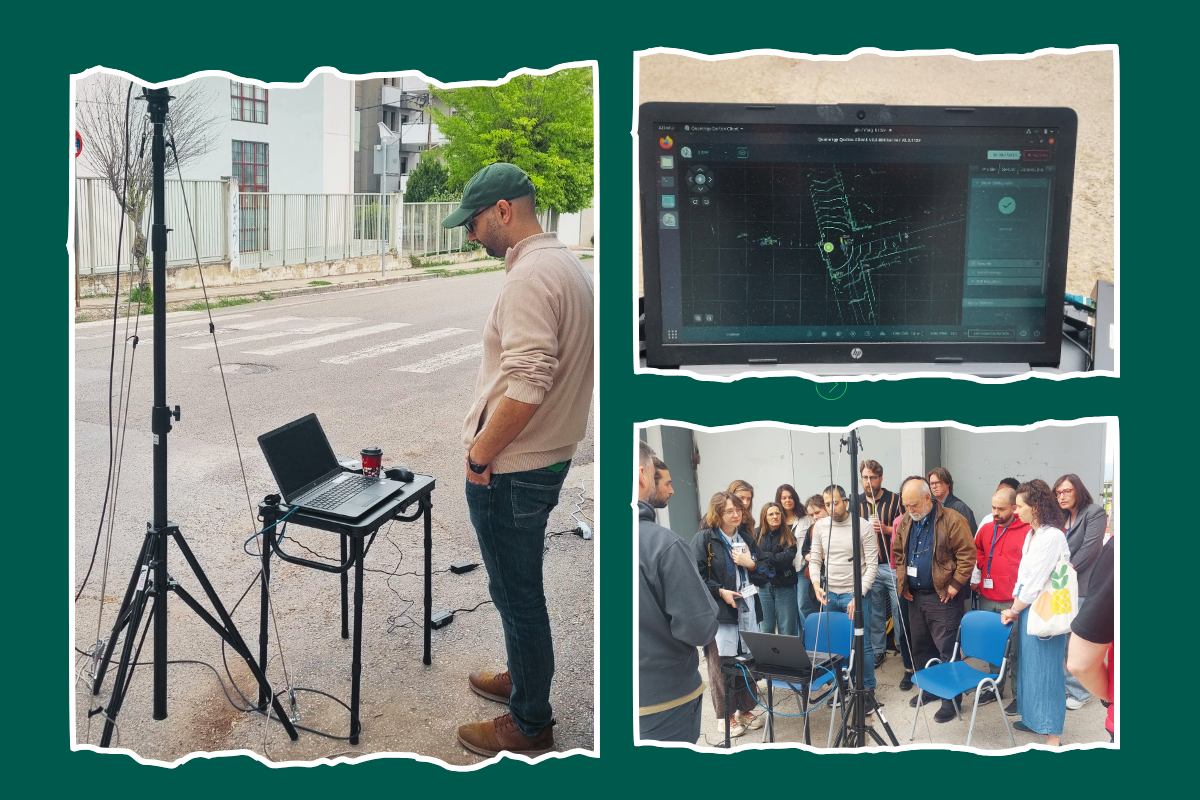
In Kozani, LiDAR technology captured data on traffic interactions and conflict points to support evidence-based planning.
A Shift in Mindset, Not Just Infrastructure
Perhaps the strongest takeaway from the Kozani visit was that creating "just streets" requires both physical transformation and a shift in mindset.
Safer school streets, active mobility, and more inclusive public spaces cannot be achieved through infrastructure alone; they depend on collaboration between municipalities, experts, schools, residents, and local communities.
Kozani's Role as a Pilot City
As a JUST STREETS pilot city, Kozani is helping to demonstrate how streets can be reimagined to prioritise pedestrians, children, and sustainable mobility.
The site visit offered a practical reminder that the most successful urban transformations are those that place people at the centre of the design process and turn local challenges into opportunities for collective learning and innovation.
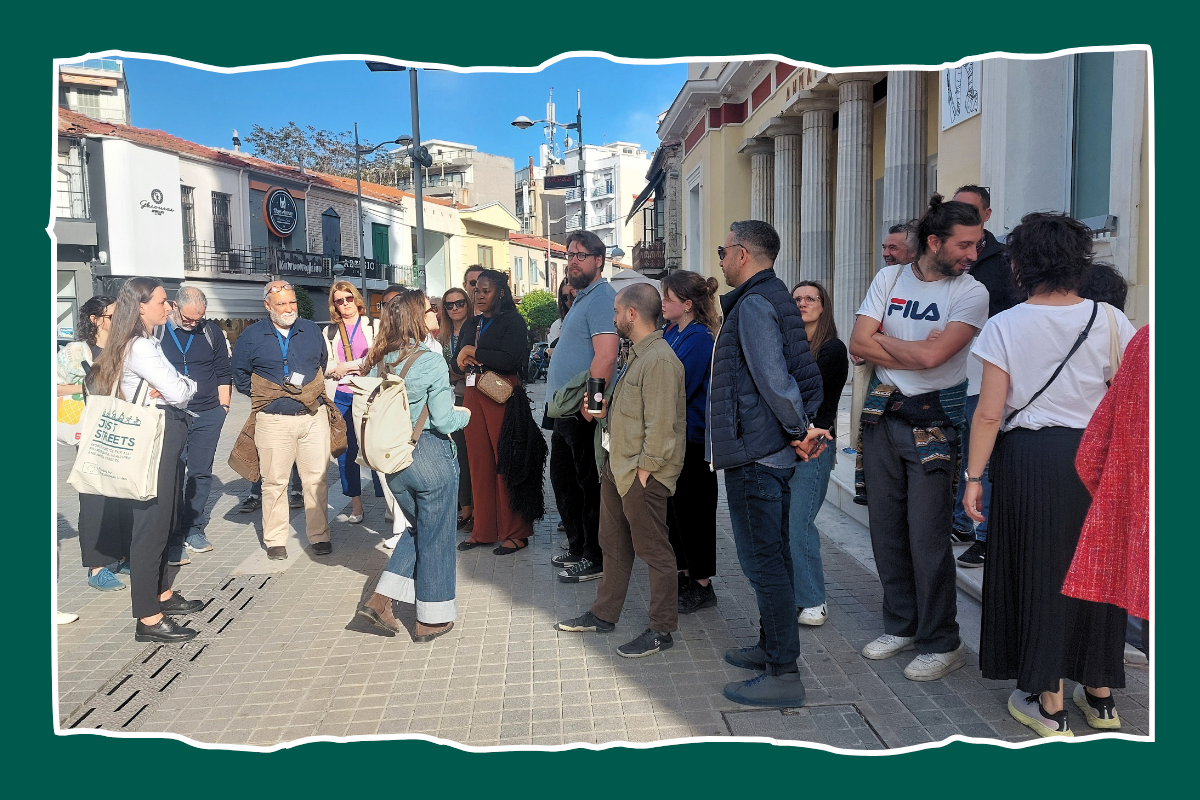
"The most successful urban transformations are those that place people at the centre of the design process" — a reminder from the Kozani pilot site visit.